SpaceOTT

IPTV vs Cable: 9 Key Differences to Know Before You Switch in 2026

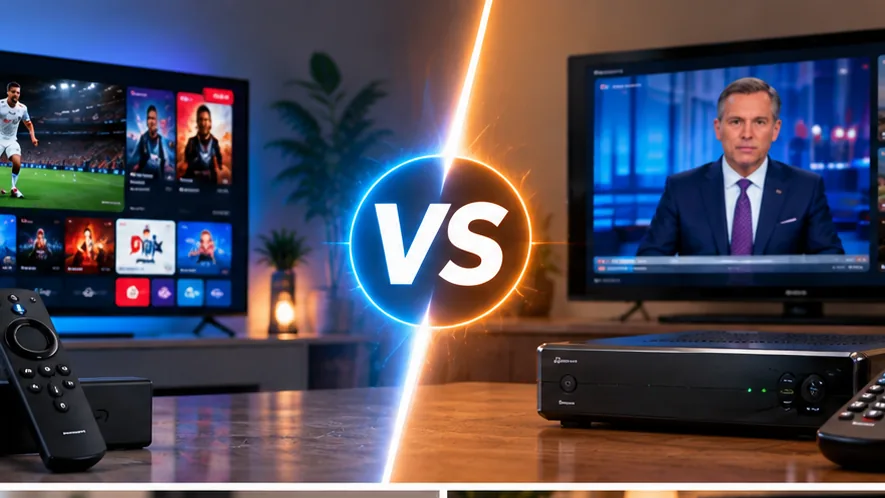
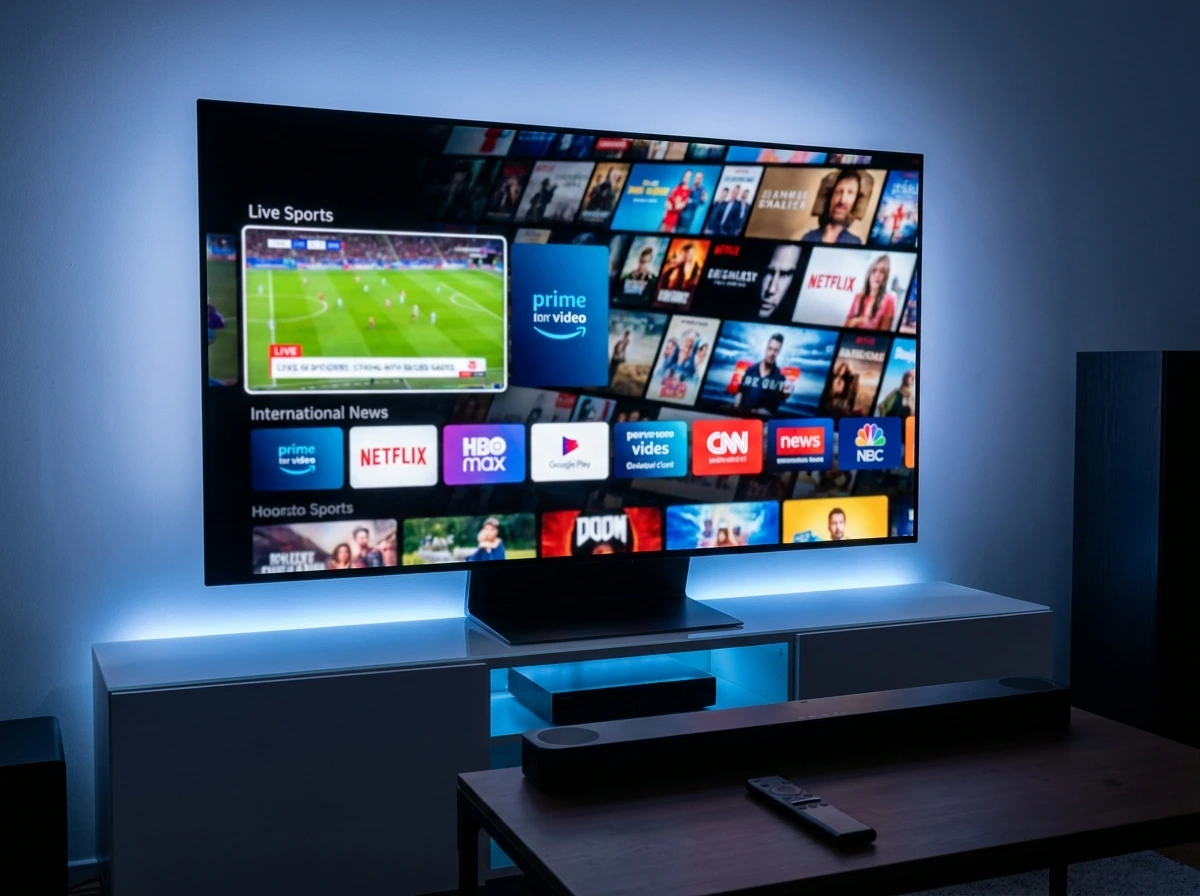
IPTV vs cable comparison in a modern home entertainment setup

IPTV vs cable is one of the biggest comparisons for viewers reconsidering how they watch television in 2026. Both options can deliver live channels, sports, movies, and entertainment, but the technology behind them—and the experience in your home—can be very different.

Traditional cable TV generally relies on a provider-managed physical network and dedicated equipment. IPTV delivers television through Internet Protocol networks, making your internet connection, streaming device, and software a much bigger part of the experience.

So which one makes more sense? Instead of declaring one universal winner, this guide compares the differences that actually matter: setup, devices, content, reliability, flexibility, cost, and everyday usability.
IPTV vs cable comparison in a modern home entertainment setup
IPTV and cable can both deliver television, but their technology, equipment, and flexibility are very different.

IPTV vs Cable: How Does Each One Work?

The most fundamental difference between IPTV and cable TV is how television content reaches your screen.

How Cable TV Works

Traditional cable television is delivered through infrastructure controlled by the television provider. Depending on the service and location, a household may use coaxial or fiber infrastructure together with a provider-supplied receiver or set-top box.

The provider manages much of the television delivery environment, which can make cable feel relatively straightforward for users who prefer a conventional television setup.

How IPTV Works

IPTV uses Internet Protocol technology to deliver video content over an IP network. Rather than relying on the traditional cable television delivery model, compatible applications and connected devices can be used to access live or on-demand programming.

Quick Explanation

Cable is closely connected to the television company’s physical network and equipment. IPTV is much more closely connected to your internet connection, streaming device, and software environment.

IPTV vs Cable Setup and Equipment

Equipment is one of the first differences most households notice.

Cable television commonly uses hardware supplied or approved by the provider. Depending on the service, professional installation or equipment activation may also be required.

IPTV can often run on hardware you already own, such as a compatible Smart TV, Fire TV device, Android TV device, smartphone, tablet, or computer.

This can reduce dependence on traditional television receivers, although the IPTV application itself still needs to be properly configured.
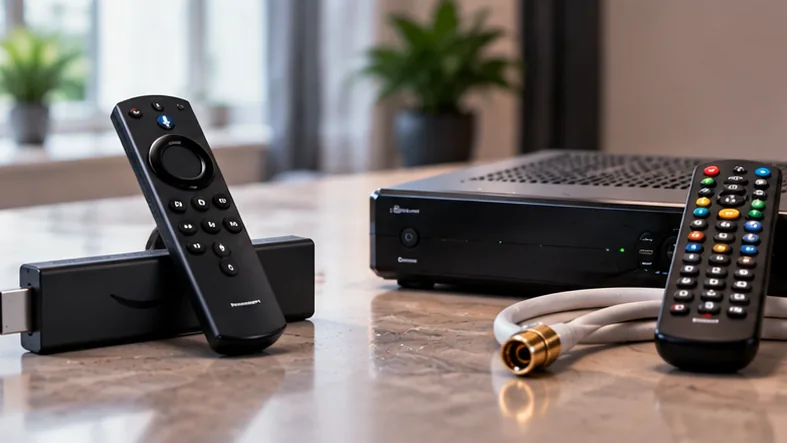
Smart TV streaming device and cable receiver compared for home television
IPTV setups can use modern streaming hardware, while traditional cable commonly relies on dedicated receiver equipment.

IPTV Offers a Different Level of Device Flexibility

Device flexibility is one of the reasons many viewers investigate IPTV as a cable TV alternative.

A compatible IPTV setup can potentially work across several types of connected devices rather than being centered around one traditional television receiver.

  • Smart TVs: Many television platforms support compatible IPTV player applications.
  • Streaming devices: Fire TV and Android-based hardware can provide a simple living-room setup.
  • Phones and tablets: Compatible applications can make television viewing more portable.
  • Computers: Desktop and laptop viewing may also be possible depending on the service and player.

If Amazon Fire TV is your primary device, our IPTV for Firestick guide explains the main factors to consider when choosing a Fire TV setup.

IPTV vs Cable for Channels and On-Demand Content

Both IPTV and cable can provide live television. The important question is not which one advertises the largest number of channels—it is which one provides the content you actually want to watch.

Cable packages are commonly divided into predefined tiers containing combinations of local channels, entertainment networks, sports, news, and optional premium programming.

IPTV interfaces may combine live television categories with on-demand libraries, program guides, favorites, search tools, and other software-based navigation features.

Relevant Content Matters More Than Huge Numbers

When comparing television options, avoid choosing solely because of an advertised channel count. Thousands of channels provide little value if the service does not include the networks, languages, sports, or entertainment categories you actually use.

For a broader look at internet-based television options, see our live TV streaming services guide.

Streaming Quality and Reliability

Reliability is an important part of any IPTV vs cable TV comparison.

Cable television operates through a managed television network and is generally less dependent on the quality of Wi-Fi inside your home.

IPTV depends directly on network connectivity. A strong broadband connection can provide an excellent viewing experience, but weak Wi-Fi, congestion, device limitations, router placement, or streaming configuration can negatively affect playback.

Do Not Blame Every Buffering Problem on IPTV

If a stream buffers, the cause can be the video source, your internet connection, Wi-Fi signal, router, streaming device, or player configuration. Troubleshooting the complete setup is more useful than assuming one component is always responsible.

If this is already a problem in your home, our IPTV buffering troubleshooting guide covers practical ways to diagnose common playback issues.

Is IPTV Cheaper Than Cable?

Price is often one of the biggest reasons people compare IPTV with cable, but comparing only the advertised monthly subscription price can be misleading.

A cable bill can include the base television package, equipment, additional receivers, premium content, and other provider-specific charges.

An IPTV-based setup can have a different cost structure. You may already own the streaming hardware, but broadband, optional player applications, and other entertainment subscriptions still contribute to your total household cost.

An updated Consumer Reports cord-cutting guide explains why viewers should calculate their complete combination of television and streaming services instead of assuming that leaving cable always means paying less.

Before choosing a long-term plan, read our IPTV subscription guide to understand the factors worth checking in a subscription.

IPTV vs Cable for Multi-Device and Portable Viewing

Traditional cable television was designed primarily around televisions connected to the service inside the home. Modern cable companies may offer companion apps, but the underlying service can still remain closely connected to the provider’s television ecosystem.

IPTV is naturally more software-oriented. Depending on the provider, application, and subscription rules, it can be easier to use compatible devices in different rooms or on different screen types.

However, never assume a subscription includes unlimited devices or simultaneous connections. Those rules vary from one service to another and should be checked before subscribing.

IPTV vs Cable Comparison Table

FeatureIPTVCable TV
Delivery MethodInternet Protocol networkProvider-managed cable infrastructure
Internet DependencyHighTV service is less dependent on home Wi-Fi
HardwareSmart TV or compatible streaming deviceOften provider-specific receiver equipment
Device FlexibilityPotentially available across several device typesTraditionally centered around connected televisions
InstallationUsually application and account configurationMay require provider hardware or installation
Live TVAvailable depending on serviceCore feature of traditional cable
On-DemandCan be integrated into the same applicationAvailable depending on the cable package
PortabilityGenerally more device-orientedMore traditionally home-oriented
Best ForViewers prioritizing flexibility and connected devicesViewers prioritizing a familiar managed TV setup
Family comparing IPTV streaming and traditional cable television at home
The better television option depends on your household’s devices, viewing habits, internet connection, and preferred setup.

Who Should Choose IPTV and Who Should Choose Cable?

IPTV May Be a Better Fit If…

  • You regularly use Smart TVs or streaming devices.
  • You prefer an application-based television experience.
  • You want more flexibility across compatible devices.
  • You are comfortable managing your home internet and Wi-Fi setup.
  • You want to explore alternatives to a traditional cable package.

Cable May Be a Better Fit If…

  • You prefer a conventional television experience.
  • You want provider-managed television equipment.
  • You do not want your main television experience to depend heavily on home Wi-Fi.
  • You already have a competitive TV and internet bundle.
  • You prefer dealing with one traditional provider for installation and television support.

Best Way to Decide

Write down the channels you watch, devices you use, your total cable bill, your internet quality, and the features you actually need. Comparing those real requirements gives you a much better answer than comparing marketing claims.

Common Mistakes When Switching From Cable to IPTV

Moving from cable to IPTV can be straightforward, but a few common mistakes can make the transition unnecessarily frustrating.

  • Ignoring Wi-Fi quality: A fast broadband plan does not guarantee a strong signal in every room.
  • Choosing by channel count alone: Relevant content is more important than a huge advertised number.
  • Not checking device compatibility: Confirm your preferred player works with your television or streaming hardware.
  • Buying a long plan immediately: When possible, evaluate the service before making a longer commitment.
  • Ignoring the total cost: Include broadband, devices, applications, and other subscriptions in your comparison.

Frequently Asked Questions About IPTV vs Cable

What is the main difference between IPTV and cable?

IPTV delivers television through Internet Protocol networks, while traditional cable TV generally uses a provider-managed cable network and dedicated television equipment.

Is IPTV better than cable TV?

It depends on your priorities. IPTV can offer greater device flexibility, while cable may appeal to viewers who prefer a familiar managed television service that is less dependent on their home Wi-Fi setup.

Is IPTV cheaper than cable?

It can be, but the true comparison depends on the specific subscriptions, broadband cost, equipment, optional applications, and other streaming services you pay for.

Does IPTV require an internet connection?

Yes. IPTV relies on IP-based connectivity, so internet stability and the quality of your home network can directly affect the viewing experience.

Can IPTV replace cable completely?

For some households it can, provided the IPTV or streaming setup includes the content, devices, and features they need. Other viewers may still prefer cable for specific local channels, bundles, or service arrangements.

What should I test before switching from cable to IPTV?

Check your internet stability, device compatibility, important channels, picture quality, navigation, player setup, and the total cost of your television and streaming subscriptions.

What Viewers Like About SpaceOTT

USA — Easy Setup ★★★★★

Viewers looking for a simple way to move beyond traditional cable can appreciate SpaceOTT’s clear setup process and compatibility with popular streaming devices.

Canada — Flexible Streaming ★★★★★

SpaceOTT is a strong fit for households that want more flexibility across Smart TVs, streaming devices, and other compatible screens.

United Kingdom — Live TV Access ★★★★★

The service is designed for viewers who want convenient access to live television and entertainment without relying on a traditional cable box setup.

Australia — Device Compatibility ★★★★★

A flexible device setup makes SpaceOTT appealing to users who prefer watching through modern streaming hardware and compatible IPTV players.

Germany — Cord-Cutting Choice ★★★★★

For viewers comparing IPTV vs cable, SpaceOTT provides a modern internet-based viewing option built around connected devices and flexible streaming.

Final Verdict: IPTV vs Cable in 2026

Choose Based on Your Actual Viewing Habits

There is no universal winner in the IPTV vs cable comparison.

IPTV can be attractive for viewers who value connected devices, software-based navigation, and flexibility. Cable can still make sense for households that prefer a familiar provider-managed television experience and want less dependence on the quality of their home Wi-Fi.

Before switching, compare your actual content needs, internet connection, hardware, total monthly cost, and preferred viewing devices. The television system that fits those requirements is more important than whichever technology has the strongest marketing claims.
Best IPTV Service: Top 10 Picks for USA, UK and Canada

Best iptv service spaceott post banner

If you are tired of paying upwards of $100 every single month for traditional cable television, rigid satellite packages, and hidden broadcast fees, you are far from alone. Choosing the best IPTV service has become the ultimate financial and entertainment solution for thousands of cord-cutters across the USA, UK, and Canada. Modern viewers demand instant access to premium live television, global sports networks, pay-per-view events, and massive on-demand movie libraries without being locked into yearly contracts. However, navigating the modern streaming market can feel overwhelming. Securing a truly reliable subscription requires evaluating what makes the best IPTV service stand out in terms of uptime, server capacity, and device fluidity.

In this comprehensive, deep-dive guide, we break down everything you need to know to choose a top-tier streaming provider safely and effectively. Whether your primary goal is catching live Premier League or NFL matches in crisp 60FPS, streaming late-night Hollywood blockbusters, or cutting ties with expensive traditional operators once and for all, finding the best IPTV service will protect your investment and guarantee an elite viewing experience.

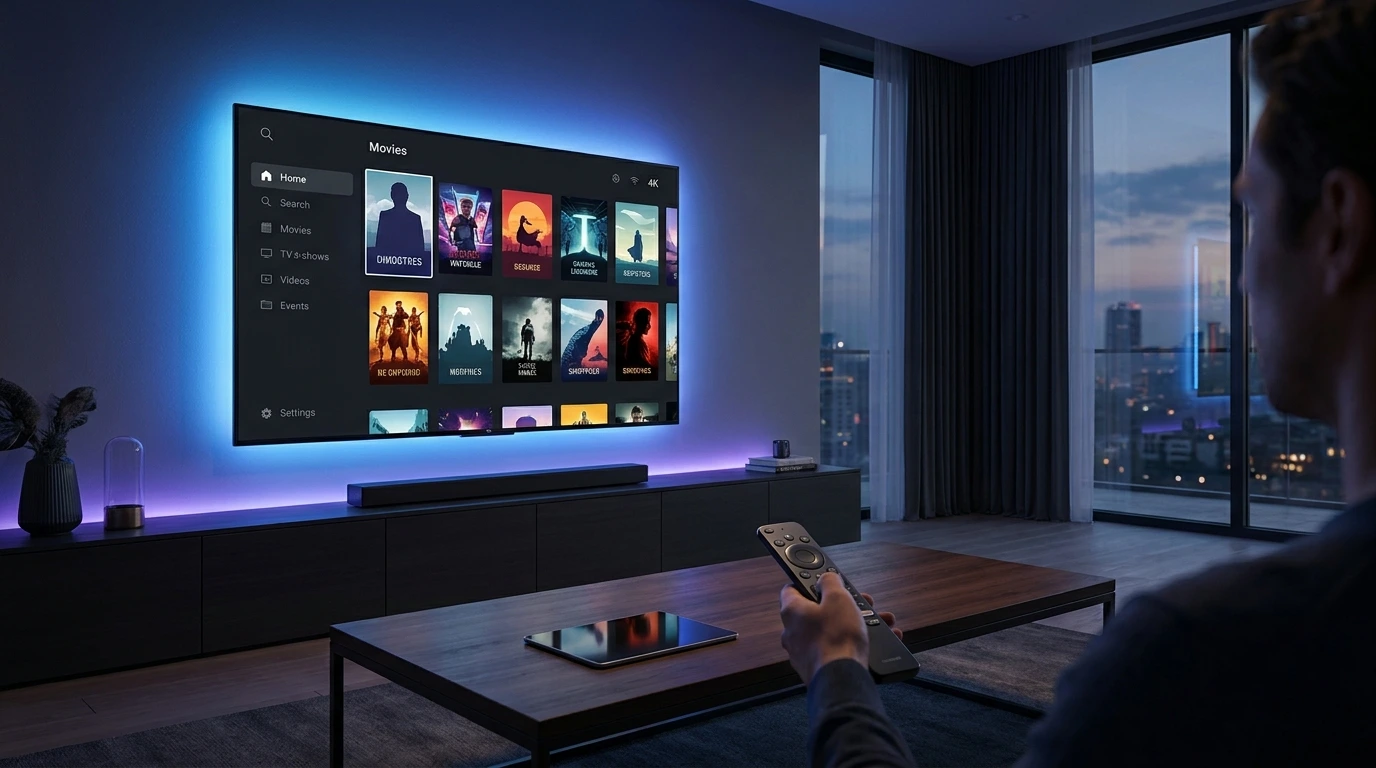
Modern 4K living room entertainment setup showing why SpaceOTT is the best IPTV service in 2026
Finding the right provider transforms your home entertainment setup into a true 4K media hub.

What Defines the Best IPTV Service in 2026?

When searching for a high-performing subscription, looking past flashy marketing claims is absolutely essential. Identifying the best IPTV service relies heavily on technical infrastructure, server uptime stability, and user interface flexibility. Let us examine the core pillars that every buyer must evaluate before committing to a long-term plan.

First and foremost is server stability and anti-freeze technology. A provider can advertise twenty thousand channels, but if your screen freezes during the final minutes of a championship game or a major title fight, the service becomes utterly useless. Leading platforms recognized as the best IPTV service utilize dedicated content delivery networks (CDNs) equipped with next-gen anti-freeze protocols to bypass internet service provider (ISP) throttling. To achieve optimal performance, matching your connection with TechRadar’s broadband speed guide for streaming ensures your home network meets the minimum bandwidth requirements for seamless 4K and high-framerate sports playback.

Furthermore, professional server architecture must account for international load balancing. Premium providers maintain isolated routing nodes across North America and Europe, ensuring that peak evening traffic hours do not result in dropped packets or sudden resolution drops from crystal-clear 4K down to blurry standard definition.

Comprehensive Channel Selection and VOD Libraries

A superior subscription must cater to diverse household tastes, ranging from live news anchors to children’s programming and cinematic enthusiasts. Any platform claiming to be the best IPTV service offers a meticulously curated mix of live local broadcasts, international entertainment, regional news networks, and premium sports packages tailored specifically for North American and European audiences. Furthermore, a massive video-on-demand (VOD) catalog keeps entertainment fresh without requiring separate, costly subscriptions to multiple mainstream streaming applications.

Before purchasing any plan, examining the comprehensive IPTV channels list allows you to verify whether your favorite regional networks, international sports feeds, and 24/7 movie channels are fully supported. Elite providers update their VOD databases weekly, adding newly released cinematic blockbusters and trending television series immediately after premiering.

Pro Tip for Cord-Cutters

Always request a 24-hour trial line before purchasing an extended 6-month or 12-month subscription. Testing a provider during peak evening hours—when internet traffic is highest in your local region—is the absolute best way to verify if their servers can maintain a stable, buffer-free connection under heavy load.

In addition to live feeds, look for platforms that organize their video-on-demand libraries using smart metadata tags, genre filters, and multi-language audio tracks. This transforms your television screen into an intuitive, Netflix-style interface rather than an unorganized digital folder of raw video streams.

The Technical Edge: Anti-Freeze and Server Reliability

Why do cheap or unverified IPTV services fail so often? The answer lies in oversold servers. Low-cost resellers often cram thousands of users onto underpowered hardware to maximize short-term profits. When everyone logs on to watch a Sunday night game or a pay-per-view event, the server crashes or buffers endlessly.

Top-tier services invest heavily in proprietary load-balancing technology and high-tier bandwidth pipelines. When you subscribe to the best IPTV service, this technical edge guarantees that even during high-traffic events, your stream remains completely stable. Combined with modern application integration, users experience zero audio-video synchronization issues and rapid channel-zapping speeds.

High-speed digital streaming servers and anti-freeze technology powering the best IPTV service infrastructure
Advanced server optimization and fiber-optic networks eliminate buffering during major live events.

Comparing Top Streaming Options: What to Look For

To help you visualize how reliable providers compare against outdated cable setups and unverified budget competitors, review the structural breakdown below:

Evaluation MetricStandard Cable TVUnverified Budget ProvidersTop-Tier IPTV Service
Monthly Cost$90 – $180 / month$3 – $5 / month (High risk)$4 – $10 / month (Value-driven)
Live Channels150 – 300 channelsUnstable or fake listings20,000+ Global Channels
VOD LibraryLimited On-DemandOutdated or broken links95,000+ Movies & Series
Buffer ProtectionStandard cable feedFrequent freezing & crashesAdvanced Anti-Freeze 5.0
Device FlexibilityProprietary set-top boxInconsistent app supportFirestick, Smart TV, Tivimate

Seamless Device Compatibility and Setup Simplicity

Modern home entertainment setups span multiple rooms, screens, and operating systems. The best IPTV service must offer fluid compatibility across popular hardware devices, including Amazon Firestick, Android TV boxes, Apple TV, Smart TVs (Samsung, LG, Sony), and advanced third-party media players like Tivimate or IPTV Smarters Pro.

Complex configuration processes often discourage non-technical users. Leading platforms streamline this experience by delivering clear credentials and user-friendly tutorials instantly via email or chat support. For detailed walkthroughs on configuring your preferred application, exploring specialized IPTV setup guides ensures you can complete installation and start streaming within five minutes of registration.

Cross-device synchronization also means you can pause a movie in the living room on your Firestick and resume playback later on your tablet or smartphone while traveling, providing an integrated ecosystem experience similar to major mainstream streaming applications.

Multiple streaming devices displaying live sports and movies on the best IPTV service subscription
Enjoy your subscription seamlessly across Firestick, Smart TVs, and mobile devices.

Key Features of a Reliable Streaming Subscription

When filtering through your options, ensure the provider integrates these non-negotiable features into their service architecture:

  • Multi-Device Connections: Ability to stream simultaneously on multiple screens (phones, tablets, living room TVs) under a single account.
  • Electronic Program Guide (EPG): Clean, accurate, and up-to-date TV guides that make browsing live channels effortless.
  • Catch-Up and Replay: The ability to rewind or replay television broadcasts up to 7 days after airtime, eliminating the need for expensive DVR hardware.
  • Dedicated 24/7 Support: Responsive customer service available via live chat or messaging apps to resolve configuration hurdles immediately.
  • Zero Contract Flexibility: Transparent, pay-as-you-go subscription plans without hidden termination fees or automated credit card traps.

The global broadcasting landscape has shifted dramatically over recent years. As traditional cable operators continue raising monthly subscription prices while reducing customer support quality, millions of households have transitioned to digital streaming alternatives. Choosing a reliable provider ensures you stay ahead of technological changes, enjoying features like cloud PVR, multi-screen mosaics for sports viewing, and instantaneous channel updates without needing technician visits or expensive hardware upgrades.

Frequently Asked Questions (FAQ)

What is the best IPTV service for users in the USA, UK, and Canada?

The best IPTV service combines stable anti-freeze server technology, over 20,000 live international channels, a vast 4K VOD library, and broad compatibility with devices like Amazon Firestick, Smart TVs, and Tivimate.

Do I need a fast internet connection for 4K streaming?

Yes, a stable internet connection of at least 15-25 Mbps is recommended to ensure smooth, buffer-free playback of 4K Ultra HD live streams and high-definition movie content.

Can I use my subscription on multiple devices simultaneously?

Yes, depending on your chosen connection plan, top providers allow you to run multiple simultaneous streams across different devices in your household under a single subscription.

Is a VPN required to use an IPTV service?

While a VPN is generally optional, elite providers utilize advanced routing protocols that bypass ISP throttling naturally, meaning most users stream smoothly without active VPN software.

How do I set up my IPTV subscription after purchasing?

After your purchase, you will instantly receive your login credentials (M3U link or Xtream Codes API) along with step-by-step installation instructions tailored to your specific device, whether it’s a Firestick, Smart TV, or Apple TV.

Verified Subscriber Feedback

John D. 🇺🇸 (New York) ⭐⭐⭐⭐⭐

“Switched from cable 3 months ago. Zero buffering on live sports streams and setting it up on my Firestick took less than 5 minutes.”

Mark S. 🇬🇧 (London) ⭐⭐⭐⭐⭐

“The Premier League in 4K 60fps is flawless. Easily the best IPTV service I’ve used in the UK so far.”

David L. 🇨🇦 (Toronto) ⭐⭐⭐⭐⭐

“Tivimate integration was smooth, and the 95,000 VOD movies library actually gets updated weekly with fresh releases.”

Expert Verdict: Making Your Final Choice

Choosing the Ultimate Provider for Your Home

Finding the absolute best IPTV service ultimately boils down to balancing rock-solid server reliability with comprehensive content depth. Avoid ultra-cheap, unverified sellers who overpromise and underdeliver, as they frequently suffer from massive downtime during high-profile sporting events. Instead, prioritize established networks featuring anti-freeze infrastructure, extensive 4K VOD libraries, and responsive customer assistance.

By switching to a reliable streaming solution, you reclaim control over your home entertainment budget while gaining unmatched access to global television. Take advantage of test lines, verify device compatibility, and step into a smoother, buffer-free entertainment era today.

error: Content is protected !!