SpaceOTT

What Is IPTV: 6 Fast Facts That Revolutionize Live TV

Family enjoying crystal clear 4K television entertainment in living room

Traditional terrestrial broadcast towers, bulky satellite dishes, and restrictive coaxial cable bundles are rapidly becoming obsolete relics of the past. Viewers asking What Is IPTV are discovering the modern architecture behind contemporary digital entertainment: delivering live television broadcasts and rich video-on-demand libraries directly over internet protocol networks rather than legacy radio frequency signals. By replacing expensive, closed distribution networks with high-speed fiber-optic data transmission, users gain complete control over their viewing experience across any internet-connected device.

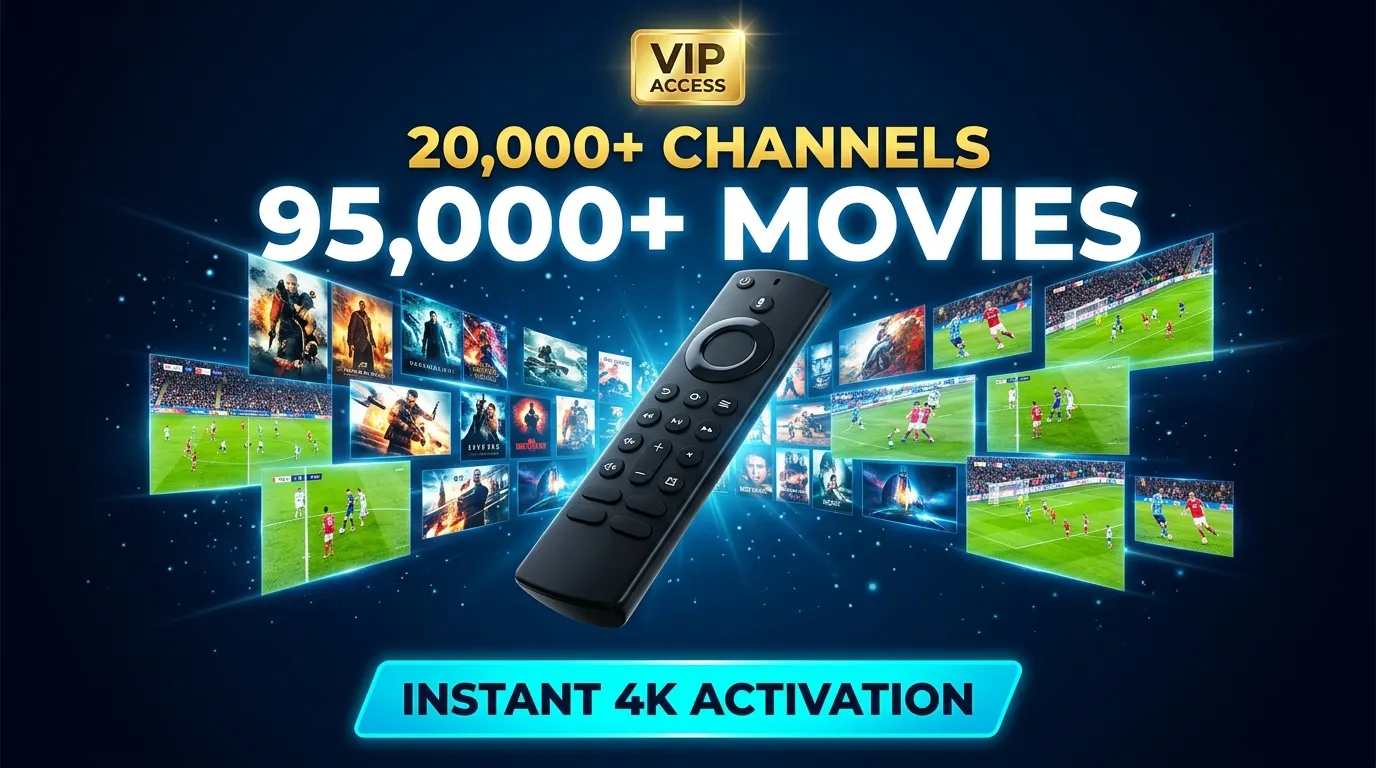
Understanding what is IPTV unlocks an entirely new paradigm for cord-cutters. Instead of being locked into inflexible commercial bundles that exceed $120 each month, advanced broadcast engineering allows premium networks like SpaceOTT to provide over 20,000 live 4K channels and 95,000+ on-demand movies for an accessible $10 to $15 per month. Exploring how IP data routing operates reveals why millions of households globally are abandoning legacy cable permanently.
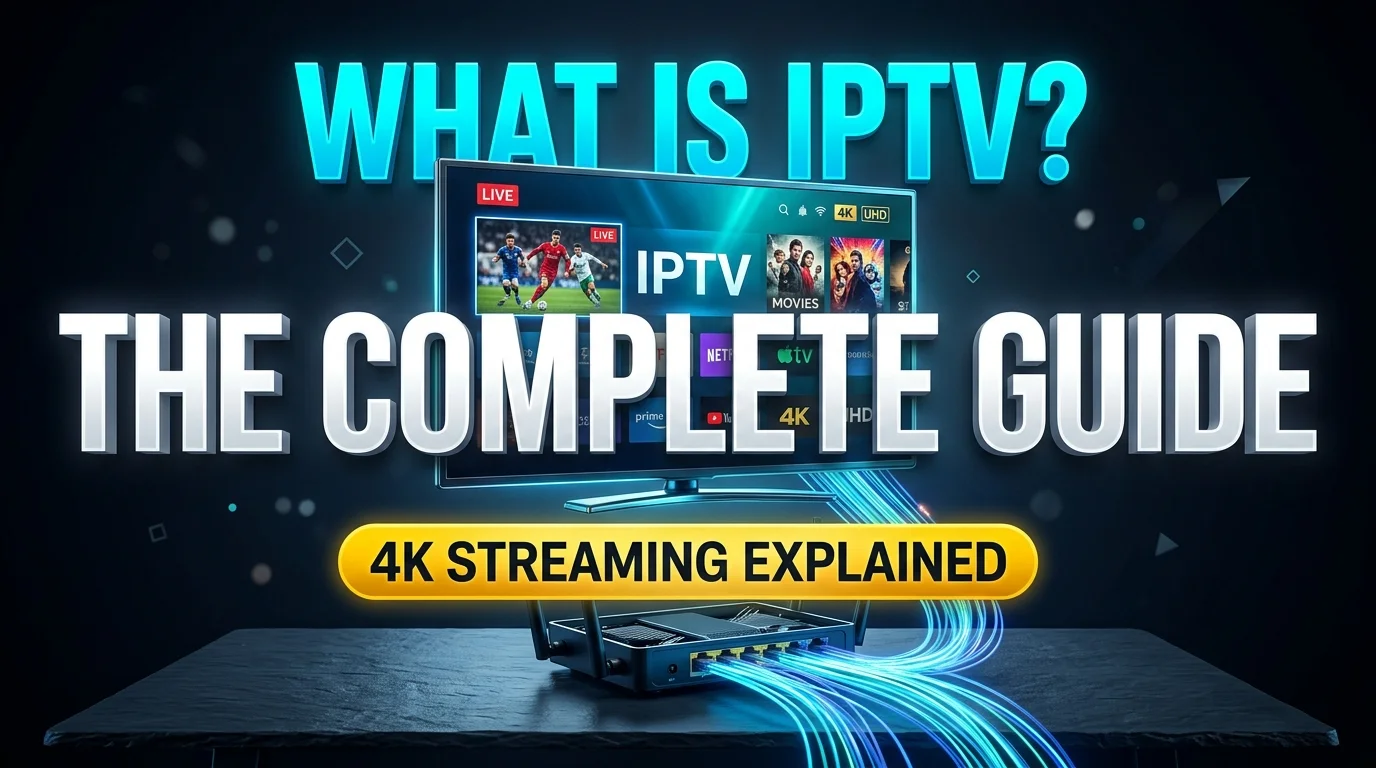
What Is IPTV complete guide and 4K streaming architecture display
Figure 1: High-speed IP networks transmit crystal-clear 4K channels directly to modern smart screens without cable infrastructure.

Fundamental Architecture: How IP Television Transmits Data Packets

To fully grasp what is IPTV, one must examine the technological evolution in how video information moves from the source studio to your living room display. In traditional satellite and coaxial setups, every channel is pushed simultaneously down a physical cable or radio frequency band, requiring a bulky hardware tuner to filter out a single signal. In contrast, Internet Protocol television operates on a packet-switched unicast and multicast framework where only the precise stream you request is delivered to your client media player.

When you select a channel on an enterprise platform like SpaceOTT, your device issues a lightweight HTTP or RTSP request to a localized edge server. The server delivers continuous MPEG-TS or HLS data packets compressed via modern H.264 or advanced H.265 (HEVC) codecs. This streamlined distribution model ensures minimal network strain, allowing SpaceOTT to maintain true 4K resolution at 60FPS with instantaneous zapping times under 0.5 seconds.

The Three Primary Formats of Modern IPTV Distribution

Understanding what is IPTV requires evaluating the three distinct delivery formats that power modern streaming ecosystems:

First, Live Television (Live IPTV) delivers real-time linear broadcasts of international news, entertainment, and live sports events accompanied by interactive Electronic Program Guide (EPG) metadata. Second, Time-Shifted Media (Catch-Up TV) allows subscribers to replay previously aired linear broadcasts from hours or days prior without requiring local DVR hard drives. Third, Video on Demand (VOD) offers massive digital vaults of movies and serialized TV shows accessible instantly with comprehensive playback controls including multi-language audio tracks and subtitles.

While inferior providers often restrict access to unstable live channels, premium services bundle all three formats into a single, high-speed ecosystem. For a complete breakdown of plan structures and feature tiers, consult our comprehensive IPTV subscription guide.

The Unicast Advantage

Because packet-switched IP networks transmit only the active stream requested by the user, bandwidth efficiency is maximized. SpaceOTT leverages private 10Gbps server backbones to deliver pristine 4K video feeds with zero server-side compression artifacts.
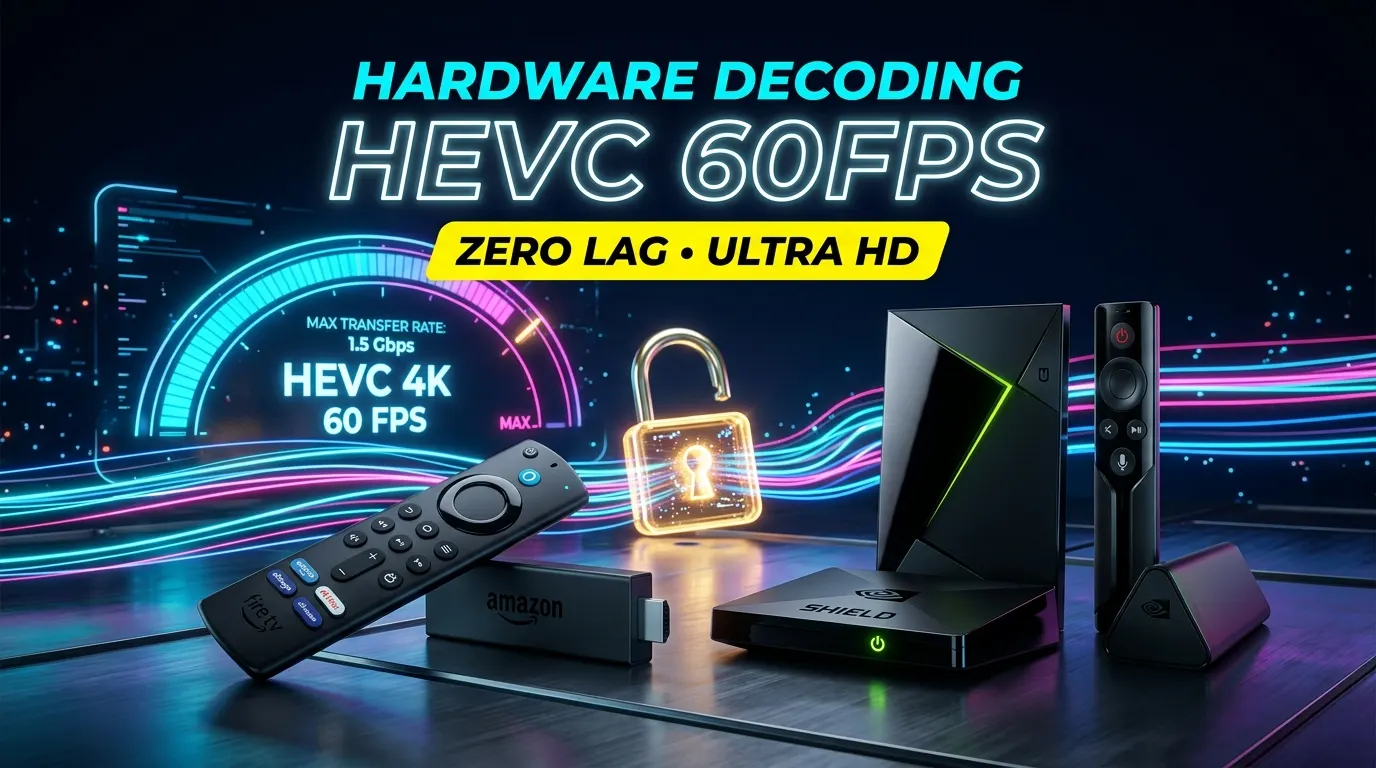
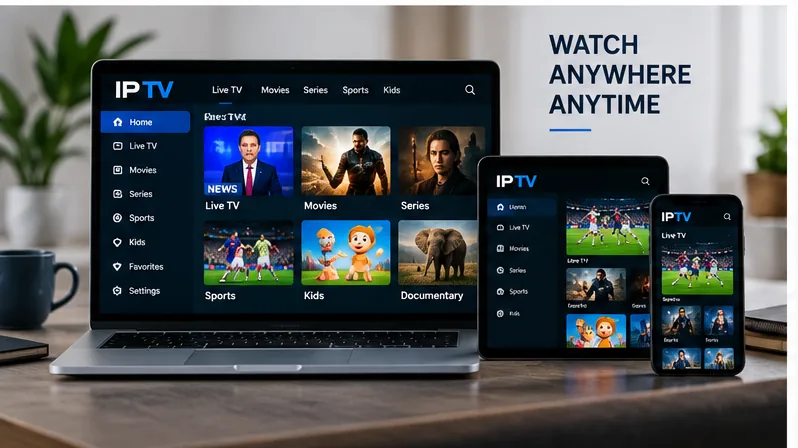
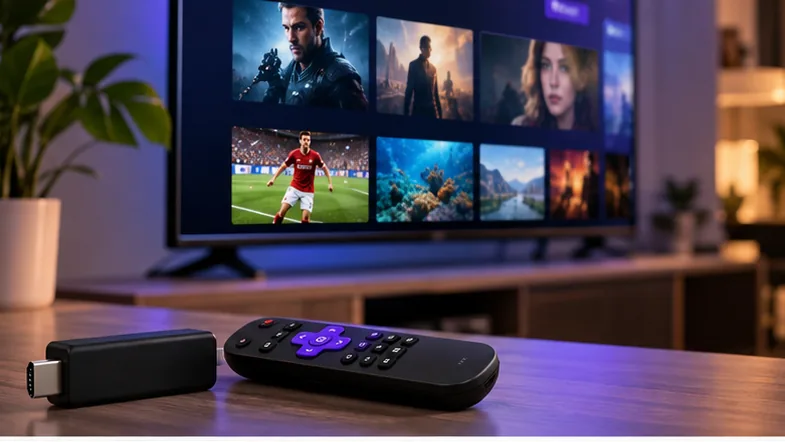
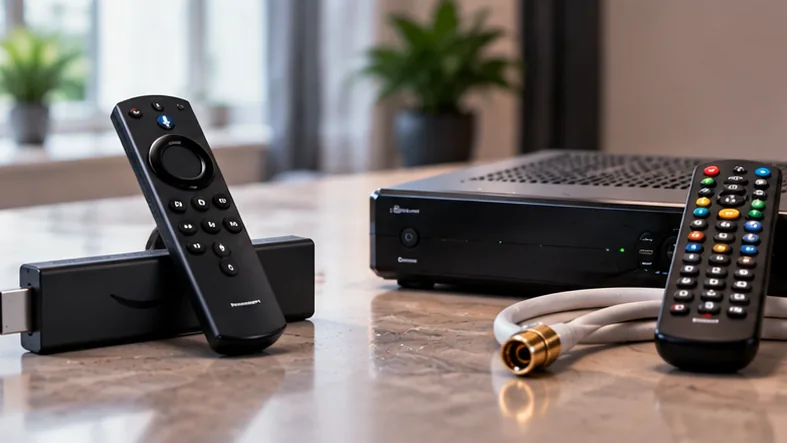
What Is IPTV streaming devices and hardware decoders arranged for home theater
Figure 2: Dedicated hardware streaming players decode high-bitrate HEVC streams with zero frame drops.

Network Protocols, Transcoding Pipelines, and Anti-Freeze 9.0

A fundamental concern for cord-cutters researching what is IPTV is stream reliability during peak internet traffic hours. Cheap IPTV sellers frequently overcrowd shared virtual private servers (VPS), leading to packet loss, audio desynchronization, and complete stream freezes during major championship events.

SpaceOTT eliminates these broadcast failures through proprietary Anti-Freeze 9.0 engineering. By analyzing packet integrity in real time across Tier-4 data centers strategically located in North America, Europe, and Asia, data streams automatically bypass congested ISP transit nodes. This ensures continuous 60FPS fluid motion for Premier League, Champions League, NFL, NBA, and UFC broadcasts, fully eliminating local blackout limitations.

Furthermore, video compression pipelines utilize dynamic H.265 (High-Efficiency Video Coding) encoding. HEVC compresses raw video data up to 50% more efficiently than older H.264 standards while preserving rich 10-bit color palettes and high dynamic range (HDR) metadata. This means viewers achieve reference-grade picture quality even on standard home broadband connections of 25 to 30 Mbps.

Hardware Compatibility and High-Performance Media Decoders

Because IP broadcasting is built upon open networking standards, it functions across an expansive ecosystem of client hardware. Choosing optimal IPTV streaming devices ensures that your setup takes full advantage of hardware-accelerated HEVC video decoding.

  • Amazon Fire TV Stick 4K Max: Exceptional price-to-performance ratio with hardware Wi-Fi 6 support for fast 4K decoding.
  • Nvidia Shield TV Pro: The industry reference device featuring AI upscaling, gigabit Ethernet, and Dolby Atmos audio passthrough.
  • Apple TV 4K: Powerful A-series processing that delivers instantaneous EPG rendering and smooth UI navigation.
  • Android TV Boxes & Formuler Z-Series: Purpose-built streaming hardware with dedicated media decoders and programmable remote controls.
  • Smart TVs & Mobile Platforms: Native application support across Android TV, Google TV, Samsung Tizen, LG webOS, iOS, and iPadOS.

Xtream Codes API vs. M3U Playlists: Technical Integration

When discovering what is IPTV, users encounter two primary methods for loading channel playlists: plain text M3U files and dynamic Xtream Codes APIs. While raw M3U playlist URLs contain direct links to stream endpoints, they require manual re-downloading whenever channel indices or port numbers change on the server.

In contrast, the Xtream Codes API architecture connects your client application directly to the provider’s database. By authenticating with a server URL, username, and password, your media player automatically fetches organized category trees, real-time VOD posters, cast metadata, and automated XMLTV Electronic Program Guides. SpaceOTT supports full Xtream Codes integration alongside universal M3U links, ensuring plug-and-play compatibility across elite players like TiviMate, IPTV Smarters Pro, XCIPTV, and Smart IPTV.

Overcoming ISP Throttling, Node Congestion, and Packet Loss

A technical barrier that many streaming households face is Artificial Bandwidth Throttling. Internet Service Providers frequently employ Deep Packet Inspection (DPI) algorithms to detect sustained high-bandwidth video streams during evening peak hours, intentionally slowing down connection speeds to conserve network capacity.

Understanding what is IPTV helps users implement defensive networking practices. Because SpaceOTT encrypts transport handshakes and employs Anti-Freeze 9.0 dynamic port hopping, ISP filters cannot easily flag or restrict video traffic. For users on heavily restricted networks, pairing SpaceOTT with a secure VPN creates a fully encrypted tunnel that guarantees pristine, buffer-free playback regardless of ISP policies.

Comprehensive Performance Comparison Matrix

To clearly see why discerning viewers migrate to modern IP television, review the side-by-side technical and economic benchmarks below:

Feature & MetricSpaceOTT 4K ServiceGeneric CompetitorsTraditional Cable
Monthly Price$10 – $15 / month$5 – $8 (Unstable)$120 – $160+ / month
Live Channels & 4K20,000+ Channels (60 FPS)3,000 – 5,000 (30 FPS)75 – 150 Channels
VOD Cinema Vault95,000+ Movies & SeriesUnder 10,000 TitlesPaid On-Demand Rentals
Server Uptime99.9% (Anti-Freeze 9.0)Frequent crashesStandard Coaxial
Hardware FreedomUniversal Multi-DeviceRestricted / Buggy AppsProprietary Leased Box
Sports Blackout PolicyZero Blackouts (Global Feeds)Frequent stream dropsStrict regional blackouts
What Is IPTV instant 4K channels and cinema activation screen
Figure 3: Instant activation unlocks thousands of premium live channels and cinema releases on any screen.

Step-by-Step Activation and Setup Walkthrough

Now that you know what is IPTV and how it operates, configuring your digital television receiver requires fewer than three minutes. SpaceOTT provides automated, instant credential provisioning directly to your email upon order completion:

  1. Choose Your Subscription: Select your preferred subscription package on the official SpaceOTT website.
  2. Receive Instant Login Details: Check your inbox for your secure M3U playlist URL and Xtream Codes API parameters (Server URL, Username, Password).
  3. Install a Media Player: Download TiviMate, IPTV Smarters Pro, or XCIPTV onto your preferred streaming device.
  4. Authenticate Credentials: Input the Xtream Codes login information for automated channel mapping and EPG loading.
  5. Enjoy True 4K Entertainment: Stream over 20,000 channels and 95,000+ cinema titles with zero configuration delays.

Verified Subscriber Community Feedback

Arthur P. πŸ‡¬πŸ‡§ (London, UK) ⭐⭐⭐⭐⭐

“Understanding what is IPTV and switching to SpaceOTT saved me over Β£90 a month on satellite TV. Premier League matches stream in pristine 4K 60FPS without a single buffer.”

Jean-Luc B. πŸ‡¨πŸ‡¦ (Quebec, Canada) ⭐⭐⭐⭐⭐

“The server speed on SpaceOTT is unmatched. French and Canadian live channels switch instantly on my Apple TV 4K, and the VOD catalog has every new cinema release.”

Callum M. πŸ‡¦πŸ‡Ί (Melbourne, Australia) ⭐⭐⭐⭐⭐

“I was skeptical about stream quality in Australia until I tried SpaceOTT. UFC main cards and Formula 1 races play smoothly in full 60FPS with zero lag.”

Mateo D. πŸ‡²πŸ‡½ (Mexico City, Mexico) ⭐⭐⭐⭐⭐

“Excelente servicio. La guΓ­a de canales latinoamericanos y deportes en vivo funciona perfecto en mi Firestick con IPTV Smarters. Calidad 4K real.”

Robert K. πŸ‡ΊπŸ‡Έ (Dallas, TX) ⭐⭐⭐⭐⭐

“Cancelled my $140 monthly cable package. SpaceOTT delivers every NFL game, local news network, and PPV fight card in crystal clear 4K for a fraction of the cost.”

Alejandro V. πŸ‡ͺπŸ‡Έ (Barcelona, Spain) ⭐⭐⭐⭐⭐

“La estabilidad durante los partidos de Champions y LaLiga es impresionante. La tecnologΓ­a Anti-Freeze realmente marca la diferencia frente a otros proveedores.”

Frequently Asked Questions (FAQ)

What internet speed do I need for 4K IPTV streaming?

For uninterrupted 4K Ultra HD live sports and movies at 60FPS, a dedicated download speed of at least 25 to 30 Mbps is recommended. For standard Full HD 1080p feeds, 15 Mbps provides smooth, buffer-free playback.

Is IPTV legal to use?

Yes. IPTV is simply a digital networking transmission technology that delivers video signals over internet protocol architecture, widely utilized by telecommunications operators and streaming providers worldwide.

Can I use my IPTV subscription on multiple screens?

Yes. SpaceOTT credentials can be installed across multiple devices including smart TVs, Firesticks, mobile phones, and computers. Multi-room connection packages are available for simultaneous viewing.

Do I need a satellite dish or dedicated cable box?

No. IPTV operates entirely over your standard broadband internet connection. All you need is an internet-connected device such as a Smart TV, Firestick, Apple TV, or smartphone.

How quickly is my account activated after ordering?

Activation is automated and instantaneous. Your M3U playlist URL and Xtream Codes API login credentials are sent directly to your email within seconds of purchase.

Master Verdict: Final Takeaway

The Future of Television Entertainment

Now that you know what is IPTV and how it revolutionizes home television, choosing an enterprise provider is the key to enjoying reliable, crystal-clear entertainment. By transitioning to high-throughput IP broadcasting, you eliminate inflated cable bills, restrictive contracts, and hardware rental fees forever.

SpaceOTT combines the stability of Anti-Freeze 9.0 edge cloud servers, over 20,000 live channels, an expansive 95,000+ VOD cinema library, and true 4K 60FPS sports coverage for only $10 to $15 per month. Ready to elevate your streaming setup? Simply subscribe to IPTV through SpaceOTT today and experience television without limits.
IP TV: 7 Powerful Ways Internet Television Works

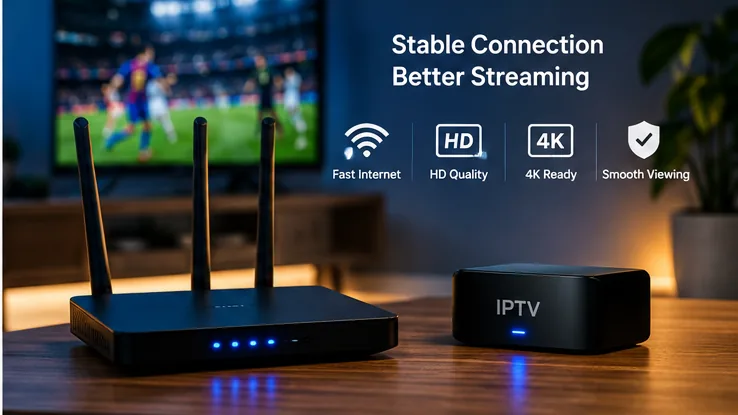
Home network setup for smooth IP TV streaming

IP TV is a way of delivering television through an internet connection instead of relying only on traditional cable, satellite, or terrestrial broadcasting. It can provide live channels, movies, series, sports, and other video content on compatible televisions and streaming devices.

The term is commonly written as IPTV, which stands for Internet Protocol Television. People searching for IP TV are usually trying to understand how internet television works, what equipment is required, and whether it can replace a conventional TV subscription.

This guide explains the technology in simple terms, covers compatible devices, shows what to check before choosing a service, and explains how to improve streaming performance at home.

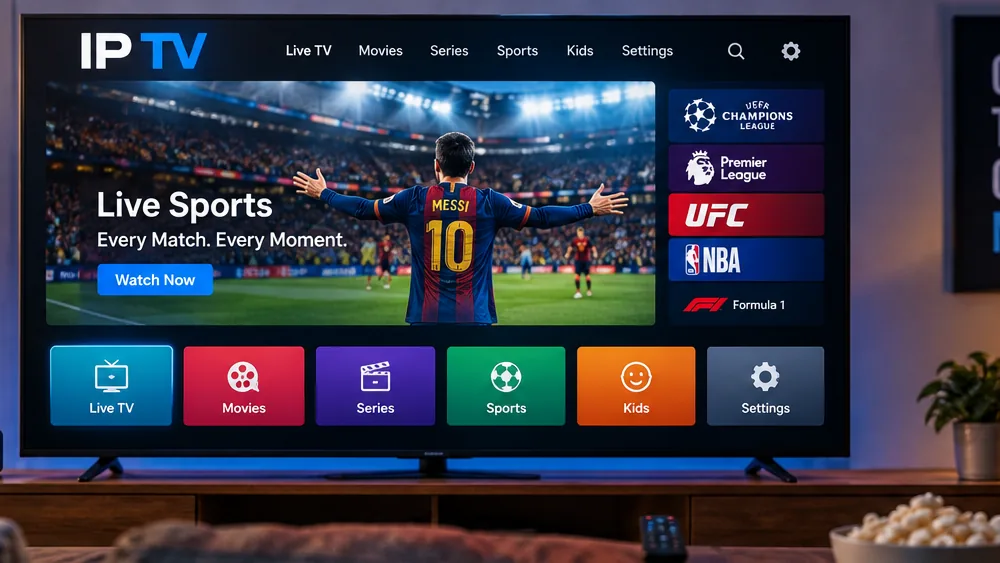
IP TV streaming on a modern Smart TV in a living room
Internet television delivers video through an internet connection to compatible TVs and streaming devices.

1. What Is IP TV?

IP TV means television content is delivered using internet protocol technology. Instead of receiving every channel through a satellite dish or cable connection, your device requests and receives video through a network connection.

This makes internet television more flexible than many older broadcasting systems because the service can potentially work on Smart TVs, streaming boxes, smartphones, tablets, and computers.

The technology itself is not limited to one company or one type of content. Different providers can use IPTV technology for live television, video-on-demand libraries, replay features, and other forms of digital entertainment.

IPTV Is a Technology, Not a Single Service

The term IPTV describes a method of delivering television through internet protocol. The channels, applications, subscription terms, quality, and content rights depend on the individual service.

If you want a broader introduction, our IPTV explained guide covers the technology and its main advantages in more detail.

2. How Does IP TV Work?

Traditional television systems usually broadcast channels through cable networks, satellite signals, or terrestrial transmitters. IP TV uses internet protocol to deliver video data to the device requesting it.

When you choose a live channel or video, the service sends the relevant stream through your network connection. A compatible application or player then decodes that stream and displays it on your screen.

The Basic Process

  • You connect a compatible device to the internet.
  • You open the provider’s supported application or player.
  • You select a live channel or on-demand program.
  • The video stream is delivered through the network.
  • Your device decodes the stream and displays it on screen.

Because the system depends on a network connection, broadband quality and home Wi-Fi performance can influence the viewing experience.

3. What Can You Watch With IP TV?

The exact content depends entirely on the service, but IP TV technology can support several different types of television and video.

Live Television

Live channels can include entertainment, news, sports, children’s programming, documentaries, and other scheduled television depending on the provider.

Video on Demand

Some services include libraries of movies, series, documentaries, or other programs that can be started whenever the viewer chooses.

Sports and Events

Internet television can also deliver live sporting events. Availability depends on broadcasting rights, the provider, and the viewer’s region.

Catch-Up and Replay

Some platforms include features that allow viewers to return to programs that aired earlier. Availability and retention periods vary by service.

IP TV content streaming across television tablet and smartphone
Internet-based television can extend viewing beyond the main television to other compatible devices.

4. What Devices Support IP TV?

One of the main advantages of IP TV is device flexibility. Depending on the provider and application, the same type of television service can work across several platforms.

DeviceTypical SetupWhat to Check
Smart TVCompatible television appApp availability and TV operating system
Fire TVStreaming applicationPlayer compatibility and network quality
Android TVSupported IPTV playerApp source and device performance
Apple TVtvOS-compatible playerApp support and playlist compatibility
Phone or TabletMobile applicationOperating system support
ComputerWeb or desktop playerBrowser or software compatibility

The best device is usually the one that supports the application you need, performs smoothly, and has a stable connection to your router.

For television-specific setup guidance, see our guide to installing IPTV on a Smart TV.

5. What Do You Need for an IP TV Setup?

A basic IP TV setup does not need to be complicated. Most users need a reliable internet connection, compatible hardware, a suitable player, and access credentials from their television provider.

Reliable Internet

Video streaming continuously transfers data, so connection stability is important. Faster speeds can help with high-resolution streams and multiple simultaneous viewers, but a stable connection is just as important as headline speed.

A Compatible Player

An IPTV player is the application that displays the channels or content supplied by a compatible service. The player itself does not necessarily include a television subscription.

Your Provider Details

Depending on the service, access may be supplied through a username and password, a playlist URL, an M3U file, Xtream-style credentials, or another supported method.

Player and Subscription Are Different

Installing an IPTV player does not automatically provide channels. The player is the software interface, while access to television content comes from a separate compatible service or authorized provider.

6. How to Choose an IP TV Service

Choosing IP TV should involve more than comparing the number of advertised channels. Reliability, compatibility, support, content rights, and transparency matter more than a huge marketing number.

Check These Factors

  • Whether the service offers the content you actually watch.
  • Compatibility with your preferred television or streaming device.
  • Availability in your region.
  • Clear subscription and renewal terms.
  • Responsive customer support.
  • Streaming quality that matches your internet connection.
  • Any device or simultaneous-stream limits.

Our IPTV subscription guide covers additional points to check before choosing a plan.

For a technical definition of IPTV and how the technology differs from traditional broadcasting, TechTarget’s IPTV overview provides useful background information.

7. How to Improve IP TV Streaming Quality

A good IP TV experience depends on the complete chain between the stream and your television. A fast internet plan alone cannot fix weak Wi-Fi, overloaded hardware, or an unstable source.

Use Ethernet When Practical

A wired Ethernet connection can reduce interference and provide a more consistent connection to stationary streaming devices.

Improve Wi-Fi Coverage

If Ethernet is not practical, keep the router in an open location and avoid placing the streaming device where walls or furniture heavily weaken the signal.

Keep Your Device Updated

Operating system updates and current app versions can fix bugs and improve compatibility.

Avoid Network Congestion

Large downloads, cloud backups, gaming updates, and several simultaneous high-resolution streams can compete for bandwidth.

Home network setup for smooth IP TV streaming
A stable router connection and capable streaming hardware can improve internet television performance.

8. IP TV vs Traditional Television

Both systems ultimately put television on your screen, but they deliver it differently.

FeatureIP TVTraditional TV
DeliveryInternet protocol networkCable, satellite, or terrestrial signal
DevicesOften supports multiple device typesCommonly centered around television hardware
On-DemandCan be highly integratedDepends on provider and package
Internet RequiredYesNot always for traditional broadcasts
PortabilityPotentially flexibleUsually more location dependent

For households already using high-speed broadband and Smart TVs, internet television can offer a convenient way to combine live channels and on-demand viewing in the same digital environment.

9. Common IP TV Problems and Fixes

Buffering

Buffering can happen because of weak Wi-Fi, network congestion, device limitations, problems with the application, or issues further upstream.

Channels Loading Slowly

Try restarting the application and device, testing the internet connection, and checking whether other devices are heavily using the network.

App Crashes

Update the app, restart the device, and make sure enough storage and memory are available.

Poor Picture Quality

If IP TV quality repeatedly drops, check the Wi-Fi signal at the television itself rather than testing only beside your router.

Stream Freezing

Freezing can come from several points in the delivery chain. Our IPTV buffering fix guide covers additional troubleshooting steps.

Is IP TV Worth Using?

IP TV can make sense for viewers who value device flexibility, internet-based delivery, live television, and on-demand content.

It is especially convenient in homes that already rely heavily on Smart TVs and streaming devices rather than traditional television hardware.

However, the quality of the experience depends heavily on the provider, your internet connection, the player, and the device you use.

Rather than choosing a service because it promises a huge number of channels, focus on the content you actually watch, device compatibility, reliability, support, and clear subscription terms.

Frequently Asked Questions About IP TV

What does IP TV mean?

IP TV refers to television delivered through internet protocol technology. It is commonly written as IPTV, which stands for Internet Protocol Television.

How does IP TV work?

IP TV delivers television and video streams through an internet protocol network. A compatible application or player receives the stream and displays it on your television, phone, tablet, computer, or streaming device.

Do I need a Smart TV for IP TV?

No. IP TV can work on various compatible devices, including streaming boxes, phones, tablets, computers, and supported Smart TVs.

Does an IPTV player include channels?

Not necessarily. An IPTV player is usually software used to display content from a compatible service. Access to channels or video content normally comes from a separate provider.

Why does IP TV buffer?

Buffering can be caused by weak Wi-Fi, network congestion, internet instability, device limitations, application problems, or issues with the video source.

Can IP TV replace cable?

It can replace traditional cable for some households if the service provides the channels and features they need and their internet connection is reliable enough for regular streaming.

Why Viewers Choose SpaceOTT

πŸ‡ΊπŸ‡Έ Michael R. | USA β˜…β˜…β˜…β˜…β˜…

A flexible internet television setup makes it easier to watch across compatible screens without relying entirely on traditional television hardware.

πŸ‡¨πŸ‡¦ Alex T. | Canada β˜…β˜…β˜…β˜…β˜…

Clear device guidance helps viewers understand how different players, televisions, and streaming hardware fit into the same setup.

πŸ‡¬πŸ‡§ Daniel H. | United Kingdom β˜…β˜…β˜…β˜…β˜…

Internet-based television can provide a practical way to combine live viewing and on-demand entertainment on modern devices.

πŸ‡«πŸ‡· Lucas M. | France β˜…β˜…β˜…β˜…β˜…

Simple setup information makes it easier to understand the relationship between the subscription, player, network, and viewing device.

πŸ‡¦πŸ‡Ί Ryan P. | Australia β˜…β˜…β˜…β˜…β˜…

Compatible streaming devices and a stable home network can make internet television more convenient for everyday viewing.

Final Verdict: Understanding IP TV

Internet Television Can Be Simple

IP TV is essentially television delivered through internet protocol rather than relying exclusively on older broadcast methods.

The technology can support live channels, sports, movies, series, and on-demand content across a wide range of compatible devices.

For the best experience, focus on a reliable internet connection, suitable hardware, a compatible player, and a service that provides the content you actually need.

Once those pieces are in place, IP TV can provide a flexible way to bring television and streaming together in one modern setup.

IPTV on Roku: 7 Powerful Steps for Easy Streaming

Family watching IPTV on Roku in a modern living room

IPTV on Roku works differently from IPTV on Fire TV or Android TV. Roku uses its own app ecosystem, so you cannot simply install any Android IPTV application directly on the device and expect it to work.

That difference can confuse people who already use IPTV on another streaming platform. The good news is that Roku users still have several practical options. Depending on your Roku model and the other devices in your home, you can use AirPlay, screen mirroring, casting, or a compatible Roku application to bring IPTV content to the television.

The easiest approach is not to search for complicated tricks. Start with the hardware you already own, choose the simplest supported connection method, and make sure your home network is stable enough for streaming.

IPTV on Roku streaming setup with Roku TV and smartphone
A Roku TV can become part of an IPTV setup using compatible apps, AirPlay, casting, or screen mirroring.

1. Understand How IPTV on Roku Works

Roku is not based on Android. Standard Android APK files are therefore not designed to install directly on Roku devices.

This matters because many IPTV tutorials online are written for Fire TV or Android TV. Following the same instructions on Roku can lead to unnecessary confusion because the operating systems use different application environments.

A Roku IPTV setup often works by letting another device handle playback while Roku acts as the display. Your iPhone, iPad, Android phone, Mac, or Windows computer can run the IPTV player and send the picture to the television using a supported wireless method.

The Simple Version

You do not always need an IPTV player installed directly on Roku. Another device can run the player while Roku displays the video on your television.

If you use IPTV across several devices, the SpaceOTT setup guides cover additional platforms and installation options.

2. What You Need Before Setting Up IPTV on Roku

A few basic checks can make the setup much easier.

  • A Roku TV or Roku streaming player connected to your television.
  • A stable home internet connection.
  • A phone, tablet, Mac, or Windows computer when using AirPlay or screen mirroring.
  • A compatible IPTV player on the source device.
  • Your Roku and source device connected to the same local network.
  • Updated software on both Roku and the device sending the stream.

Do not skip the same-network requirement. If your phone is using mobile data while Roku is connected to home Wi-Fi, local casting and mirroring features may not find the television.

3. Check Your Roku Device First

Before changing settings, identify the exact Roku model and software version you are using.

  • Open the Roku home screen.
  • Go to Settings.
  • Select System.
  • Open About.
  • Check your model and software information.
  • Run a system update if one is available.

This takes less than a minute and can prevent a lot of wasted troubleshooting. Older Roku hardware may not support every feature in exactly the same way as newer models.

4. Stream IPTV on Roku With AirPlay

For iPhone, iPad, and Mac users, AirPlay is often the most convenient Roku IPTV option.

Compatible Roku devices can receive AirPlay content from supported Apple hardware when both devices are connected to the same network.

For current compatibility information and official setup instructions, check the Roku AirPlay guide.

Basic AirPlay Setup

  • Connect your Roku and Apple device to the same Wi-Fi network.
  • Open Settings on Roku.
  • Select Apple AirPlay and HomeKit.
  • Make sure AirPlay is enabled.
  • Open your compatible IPTV player or video source.
  • Select the AirPlay option.
  • Choose your Roku device.

Your Roku may display a code the first time you connect an Apple device. Enter that code on your iPhone, iPad, or Mac to complete the connection.

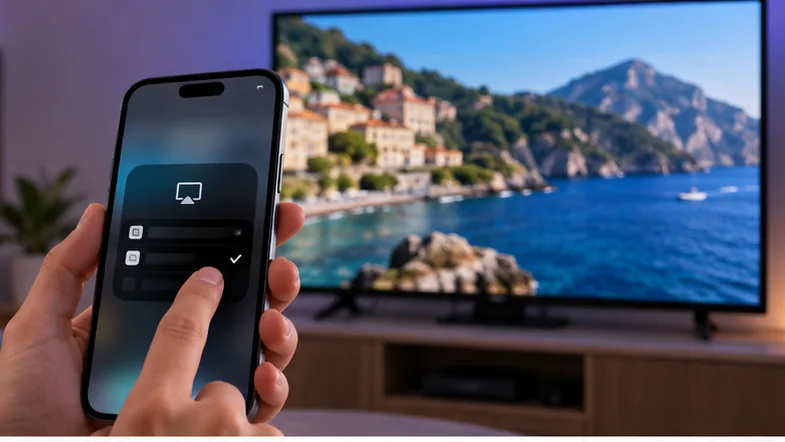
iPhone using AirPlay to stream IPTV on Roku TV
AirPlay is a convenient IPTV on Roku option for households already using Apple devices.

5. Use Screen Mirroring for IPTV on Roku

Screen mirroring is useful when the IPTV player works on your phone or computer but does not have a direct Roku version.

Instead of installing the player on Roku, your television shows what is happening on the source device.

Typical Mirroring Setup

  • Connect Roku and the source device to the same network.
  • Open the screen mirroring settings on Roku.
  • Enable the required permission or prompt option.
  • Start screen mirroring from the compatible phone or computer.
  • Select your Roku device.
  • Accept the connection on the TV if Roku asks for confirmation.
  • Open the IPTV player and start playback.

The source device remains important during the session. If you close the player, disconnect Wi-Fi, or stop screen sharing, playback on the television will normally stop as well.

6. Casting Is Different From Screen Mirroring

Casting and mirroring sound similar, but they work differently.

Mirroring shows the source device’s screen on the television. Casting allows a compatible application to send supported content to another device while your phone acts more like a controller.

Casting can feel cleaner because your television does not need to show every menu or notification that appears on the phone. However, both the application and Roku environment need to support the required casting method.

Check the Player Before Troubleshooting Roku

If your IPTV player has no supported cast option, changing Roku settings will not magically add one. In that situation, AirPlay or screen mirroring may be the easier solution.

7. Check for Roku-Compatible IPTV Apps

Application availability changes over time, so always check Roku’s current app ecosystem instead of relying entirely on old videos or forum posts.

  • Open Roku Home.
  • Go to the Roku Store or Apps section.
  • Search for the player or streaming application you want.
  • Read the app description carefully.
  • Confirm that it supports the type of playback you need.
  • Add the application if it is suitable.

One important rule is worth repeating: a normal Android APK is not automatically compatible with Roku. The platforms use different application systems.

8. Improve Your Network for Smoother Roku IPTV Streaming

Your network becomes especially important when IPTV is playing on one device and being sent wirelessly to Roku at the same time.

A fast internet package alone does not guarantee a perfect experience. Wi-Fi signal quality, router placement, local congestion, and the source device can all affect playback.

  • Keep Roku within a reasonable distance of your router.
  • Avoid placing the router inside a closed cabinet.
  • Reduce large downloads while watching live television.
  • Keep Roku and your source device updated.
  • Restart networking equipment if the connection becomes unstable.
  • Test the same IPTV stream directly on the source device first.
  • Check whether other devices in the house are using large amounts of bandwidth.

If channels continue to pause or freeze, our IPTV buffering guide walks through common network and playback problems.

Test One Variable at a Time

If playback is bad, do not change five settings at once. First test the stream directly on your phone or computer. Then test the Roku connection. This makes it much easier to identify whether the issue is the IPTV stream, your internet connection, the source device, or wireless mirroring.

9. Which IPTV on Roku Method Is Best?

The simplest method is usually the best one. Choose based on the devices you already use every day.

DeviceMethod to TryBest Use
iPhoneAirPlaySimple wireless streaming
iPadAirPlayStreaming and screen sharing
MacAirPlayDesktop IPTV playback
Compatible Android DeviceScreen MirroringDisplay your IPTV player on the TV
Windows PCScreen MirroringUseful when IPTV runs on the computer
Supported Roku AppDirect AppKeeps playback centered on Roku
Family watching IPTV on Roku in a modern living room
The best Roku IPTV setup depends on the devices already available in your home.

10. Common Mistakes to Avoid With IPTV on Roku

Trying to Install Android APK Files

Roku is not an Android device. Tutorials that tell you to install a standard Android APK directly onto Roku can create more confusion than they solve.

Using Different Wi-Fi Networks

Your source device and Roku normally need to be on the same local network for features such as AirPlay and mirroring to discover each other.

Ignoring the Source Device

If IPTV works badly on your phone before you even connect to Roku, Roku is unlikely to fix the stream. Test the source first.

Following Outdated App Recommendations

Roku app availability changes. Search the current Roku Store rather than assuming an application mentioned in an old tutorial is still available.

Assuming Every Connection Problem Is the IPTV Provider

Home Wi-Fi can be responsible for delayed loading, disconnects, or poor mirroring performance. Check the full setup before changing subscriptions.

11. Roku vs Firestick for IPTV

Roku and Fire TV can both be part of a modern streaming setup, but they approach applications differently.

Roku can be convenient for households already invested in Roku TVs and users who are comfortable with AirPlay, supported apps, or screen mirroring.

Fire TV generally offers more flexibility for users who specifically want dedicated IPTV player applications installed directly on the streaming device.

Neither option is automatically right for everyone. Roku may make more sense if you already own the hardware and only need a simple wireless connection from another device. Fire TV may appeal more to users who want the streaming player itself to handle most of the IPTV experience.

For a closer look at that alternative, see our IPTV for Firestick guide.

Choosing the Right SpaceOTT Setup

Think about the television, phones, streaming devices, and network you already use before choosing a plan. Our IPTV subscription guide explains the main factors worth checking before committing.

Is Roku Good for IPTV?

Roku can be a good IPTV option when it already fits naturally into your home entertainment setup.

If you own a compatible Roku TV and an iPhone, for example, AirPlay can provide a straightforward path without buying another streaming box. Android and Windows users may prefer screen mirroring when their devices support it.

The main limitation is application flexibility. Users expecting Roku to behave exactly like Android TV or Fire TV may find the platform restrictive. Once you work with Roku’s supported features instead of against them, however, the setup becomes much easier to understand.

Frequently Asked Questions About IPTV on Roku

Can I watch IPTV on Roku?

Yes. Depending on your Roku model and devices, IPTV can be streamed using AirPlay, screen mirroring, casting, or a compatible Roku application.

Can I install an IPTV APK on Roku?

No. Roku does not use standard Android APK applications. Use a Roku-compatible app or stream from another supported device.

Can I use IPTV on Roku from an iPhone?

Yes, if your Roku supports AirPlay. Connect both devices to the same network, enable AirPlay on Roku, and select Roku from your Apple device.

Can Android mirror IPTV to Roku?

Compatible Android devices can use screen mirroring with supported Roku hardware. Compatibility varies by phone and Roku model.

Why does IPTV buffer on Roku?

Buffering can come from the IPTV stream, internet connection, Wi-Fi quality, source device, network congestion, or the additional wireless connection used for mirroring.

Is Roku better than Firestick for IPTV?

Roku works well with AirPlay, mirroring, and supported apps, while Fire TV generally offers more flexibility for dedicated IPTV player applications.

Why Viewers Choose SpaceOTT

πŸ‡ΊπŸ‡Έ Michael R. | USA β˜…β˜…β˜…β˜…β˜…

SpaceOTT keeps the setup straightforward and fits naturally with the streaming devices already used around the home.

πŸ‡¨πŸ‡¦ Daniel M. | Canada β˜…β˜…β˜…β˜…β˜…

The flexible setup makes SpaceOTT a practical choice for households using Smart TVs, phones, tablets, and streaming players.

πŸ‡¬πŸ‡§ Oliver T. | United Kingdom β˜…β˜…β˜…β˜…β˜…

SpaceOTT fits well into a modern home streaming setup and gives viewers an easier way to move beyond traditional television hardware.

πŸ‡¦πŸ‡Ί Liam S. | Australia β˜…β˜…β˜…β˜…β˜…

The service works well for viewers who want a straightforward internet-based television experience across compatible devices.

πŸ‡³πŸ‡± Noah V. | Netherlands β˜…β˜…β˜…β˜…β˜…

SpaceOTT provides helpful setup guidance that makes it easier to choose the right player and connection method for each device.

Final Verdict: IPTV on Roku

Use Roku the Way It Was Designed

IPTV on Roku is possible without turning your television setup into a complicated project.

Apple users can begin with AirPlay. Compatible Android and Windows devices can explore screen mirroring, while Roku-supported applications may provide a more direct experience when the right app is available.

The biggest mistake is treating Roku like an Android box. Choose a method that matches Roku’s actual features, keep your network stable, and test playback on the source device before troubleshooting the television.

Once the right connection method is in place, Roku can be a practical part of a flexible SpaceOTT streaming setup.

IPTV vs Cable: 9 Key Differences to Know Before You Switch in 2026

IPTV vs cable comparison in a modern home entertainment setup

IPTV vs cable is one of the biggest comparisons for viewers reconsidering how they watch television in 2026. Both options can deliver live channels, sports, movies, and entertainment, but the technology behind themβ€”and the experience in your homeβ€”can be very different.

Traditional cable TV generally relies on a provider-managed physical network and dedicated equipment. IPTV delivers television through Internet Protocol networks, making your internet connection, streaming device, and software a much bigger part of the experience.

So which one makes more sense? Instead of declaring one universal winner, this guide compares the differences that actually matter: setup, devices, content, reliability, flexibility, cost, and everyday usability.

IPTV vs cable comparison in a modern home entertainment setup
IPTV and cable can both deliver television, but their technology, equipment, and flexibility are very different.

IPTV vs Cable: How Does Each One Work?

The most fundamental difference between IPTV and cable TV is how television content reaches your screen.

How Cable TV Works

Traditional cable television is delivered through infrastructure controlled by the television provider. Depending on the service and location, a household may use coaxial or fiber infrastructure together with a provider-supplied receiver or set-top box.

The provider manages much of the television delivery environment, which can make cable feel relatively straightforward for users who prefer a conventional television setup.

How IPTV Works

IPTV uses Internet Protocol technology to deliver video content over an IP network. Rather than relying on the traditional cable television delivery model, compatible applications and connected devices can be used to access live or on-demand programming.

Quick Explanation

Cable is closely connected to the television company’s physical network and equipment. IPTV is much more closely connected to your internet connection, streaming device, and software environment.

IPTV vs Cable Setup and Equipment

Equipment is one of the first differences most households notice.

Cable television commonly uses hardware supplied or approved by the provider. Depending on the service, professional installation or equipment activation may also be required.

IPTV can often run on hardware you already own, such as a compatible Smart TV, Fire TV device, Android TV device, smartphone, tablet, or computer.

This can reduce dependence on traditional television receivers, although the IPTV application itself still needs to be properly configured.

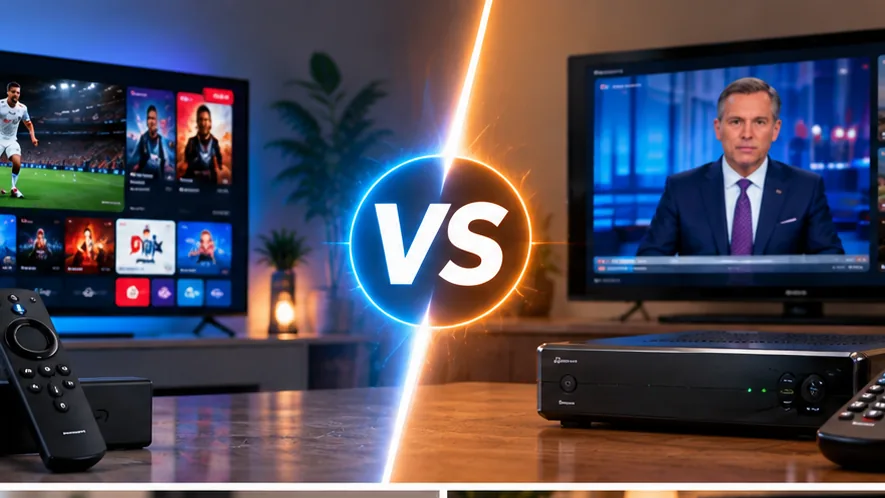
Smart TV streaming device and cable receiver compared for home television
IPTV setups can use modern streaming hardware, while traditional cable commonly relies on dedicated receiver equipment.

IPTV Offers a Different Level of Device Flexibility

Device flexibility is one of the reasons many viewers investigate IPTV as a cable TV alternative.

A compatible IPTV setup can potentially work across several types of connected devices rather than being centered around one traditional television receiver.

  • Smart TVs: Many television platforms support compatible IPTV player applications.
  • Streaming devices: Fire TV and Android-based hardware can provide a simple living-room setup.
  • Phones and tablets: Compatible applications can make television viewing more portable.
  • Computers: Desktop and laptop viewing may also be possible depending on the service and player.

If Amazon Fire TV is your primary device, our IPTV for Firestick guide explains the main factors to consider when choosing a Fire TV setup.

IPTV vs Cable for Channels and On-Demand Content

Both IPTV and cable can provide live television. The important question is not which one advertises the largest number of channelsβ€”it is which one provides the content you actually want to watch.

Cable packages are commonly divided into predefined tiers containing combinations of local channels, entertainment networks, sports, news, and optional premium programming.

IPTV interfaces may combine live television categories with on-demand libraries, program guides, favorites, search tools, and other software-based navigation features.

Relevant Content Matters More Than Huge Numbers

When comparing television options, avoid choosing solely because of an advertised channel count. Thousands of channels provide little value if the service does not include the networks, languages, sports, or entertainment categories you actually use.

For a broader look at internet-based television options, see our live TV streaming services guide.

Streaming Quality and Reliability

Reliability is an important part of any IPTV vs cable TV comparison.

Cable television operates through a managed television network and is generally less dependent on the quality of Wi-Fi inside your home.

IPTV depends directly on network connectivity. A strong broadband connection can provide an excellent viewing experience, but weak Wi-Fi, congestion, device limitations, router placement, or streaming configuration can negatively affect playback.

Do Not Blame Every Buffering Problem on IPTV

If a stream buffers, the cause can be the video source, your internet connection, Wi-Fi signal, router, streaming device, or player configuration. Troubleshooting the complete setup is more useful than assuming one component is always responsible.

If this is already a problem in your home, our IPTV buffering troubleshooting guide covers practical ways to diagnose common playback issues.

Is IPTV Cheaper Than Cable?

Price is often one of the biggest reasons people compare IPTV with cable, but comparing only the advertised monthly subscription price can be misleading.

A cable bill can include the base television package, equipment, additional receivers, premium content, and other provider-specific charges.

An IPTV-based setup can have a different cost structure. You may already own the streaming hardware, but broadband, optional player applications, and other entertainment subscriptions still contribute to your total household cost.

An updated Consumer Reports cord-cutting guide explains why viewers should calculate their complete combination of television and streaming services instead of assuming that leaving cable always means paying less.

Before choosing a long-term plan, read our IPTV subscription guide to understand the factors worth checking in a subscription.

IPTV vs Cable for Multi-Device and Portable Viewing

Traditional cable television was designed primarily around televisions connected to the service inside the home. Modern cable companies may offer companion apps, but the underlying service can still remain closely connected to the provider’s television ecosystem.

IPTV is naturally more software-oriented. Depending on the provider, application, and subscription rules, it can be easier to use compatible devices in different rooms or on different screen types.

However, never assume a subscription includes unlimited devices or simultaneous connections. Those rules vary from one service to another and should be checked before subscribing.

IPTV vs Cable Comparison Table

FeatureIPTVCable TV
Delivery MethodInternet Protocol networkProvider-managed cable infrastructure
Internet DependencyHighTV service is less dependent on home Wi-Fi
HardwareSmart TV or compatible streaming deviceOften provider-specific receiver equipment
Device FlexibilityPotentially available across several device typesTraditionally centered around connected televisions
InstallationUsually application and account configurationMay require provider hardware or installation
Live TVAvailable depending on serviceCore feature of traditional cable
On-DemandCan be integrated into the same applicationAvailable depending on the cable package
PortabilityGenerally more device-orientedMore traditionally home-oriented
Best ForViewers prioritizing flexibility and connected devicesViewers prioritizing a familiar managed TV setup
Family comparing IPTV streaming and traditional cable television at home
The better television option depends on your household’s devices, viewing habits, internet connection, and preferred setup.

Who Should Choose IPTV and Who Should Choose Cable?

IPTV May Be a Better Fit If…

  • You regularly use Smart TVs or streaming devices.
  • You prefer an application-based television experience.
  • You want more flexibility across compatible devices.
  • You are comfortable managing your home internet and Wi-Fi setup.
  • You want to explore alternatives to a traditional cable package.

Cable May Be a Better Fit If…

  • You prefer a conventional television experience.
  • You want provider-managed television equipment.
  • You do not want your main television experience to depend heavily on home Wi-Fi.
  • You already have a competitive TV and internet bundle.
  • You prefer dealing with one traditional provider for installation and television support.

Best Way to Decide

Write down the channels you watch, devices you use, your total cable bill, your internet quality, and the features you actually need. Comparing those real requirements gives you a much better answer than comparing marketing claims.

Common Mistakes When Switching From Cable to IPTV

Moving from cable to IPTV can be straightforward, but a few common mistakes can make the transition unnecessarily frustrating.

  • Ignoring Wi-Fi quality: A fast broadband plan does not guarantee a strong signal in every room.
  • Choosing by channel count alone: Relevant content is more important than a huge advertised number.
  • Not checking device compatibility: Confirm your preferred player works with your television or streaming hardware.
  • Buying a long plan immediately: When possible, evaluate the service before making a longer commitment.
  • Ignoring the total cost: Include broadband, devices, applications, and other subscriptions in your comparison.

Frequently Asked Questions About IPTV vs Cable

What is the main difference between IPTV and cable?

IPTV delivers television through Internet Protocol networks, while traditional cable TV generally uses a provider-managed cable network and dedicated television equipment.

Is IPTV better than cable TV?

It depends on your priorities. IPTV can offer greater device flexibility, while cable may appeal to viewers who prefer a familiar managed television service that is less dependent on their home Wi-Fi setup.

Is IPTV cheaper than cable?

It can be, but the true comparison depends on the specific subscriptions, broadband cost, equipment, optional applications, and other streaming services you pay for.

Does IPTV require an internet connection?

Yes. IPTV relies on IP-based connectivity, so internet stability and the quality of your home network can directly affect the viewing experience.

Can IPTV replace cable completely?

For some households it can, provided the IPTV or streaming setup includes the content, devices, and features they need. Other viewers may still prefer cable for specific local channels, bundles, or service arrangements.

What should I test before switching from cable to IPTV?

Check your internet stability, device compatibility, important channels, picture quality, navigation, player setup, and the total cost of your television and streaming subscriptions.

What Viewers Like About SpaceOTT

USA β€” Easy Setup β˜…β˜…β˜…β˜…β˜…

Viewers looking for a simple way to move beyond traditional cable can appreciate SpaceOTT’s clear setup process and compatibility with popular streaming devices.

Canada β€” Flexible Streaming β˜…β˜…β˜…β˜…β˜…

SpaceOTT is a strong fit for households that want more flexibility across Smart TVs, streaming devices, and other compatible screens.

United Kingdom β€” Live TV Access β˜…β˜…β˜…β˜…β˜…

The service is designed for viewers who want convenient access to live television and entertainment without relying on a traditional cable box setup.

Australia β€” Device Compatibility β˜…β˜…β˜…β˜…β˜…

A flexible device setup makes SpaceOTT appealing to users who prefer watching through modern streaming hardware and compatible IPTV players.

Germany β€” Cord-Cutting Choice β˜…β˜…β˜…β˜…β˜…

For viewers comparing IPTV vs cable, SpaceOTT provides a modern internet-based viewing option built around connected devices and flexible streaming.

Final Verdict: IPTV vs Cable in 2026

Choose Based on Your Actual Viewing Habits

There is no universal winner in the IPTV vs cable comparison.

IPTV can be attractive for viewers who value connected devices, software-based navigation, and flexibility. Cable can still make sense for households that prefer a familiar provider-managed television experience and want less dependence on the quality of their home Wi-Fi.

Before switching, compare your actual content needs, internet connection, hardware, total monthly cost, and preferred viewing devices. The television system that fits those requirements is more important than whichever technology has the strongest marketing claims.

error: Content is protected !!