SpaceOTT

IP TV: 7 Powerful Ways Internet Television Works

Home network setup for smooth IP TV streaming

IP TV is a way of delivering television through an internet connection instead of relying only on traditional cable, satellite, or terrestrial broadcasting. It can provide live channels, movies, series, sports, and other video content on compatible televisions and streaming devices.

The term is commonly written as IPTV, which stands for Internet Protocol Television. People searching for IP TV are usually trying to understand how internet television works, what equipment is required, and whether it can replace a conventional TV subscription.

This guide explains the technology in simple terms, covers compatible devices, shows what to check before choosing a service, and explains how to improve streaming performance at home.
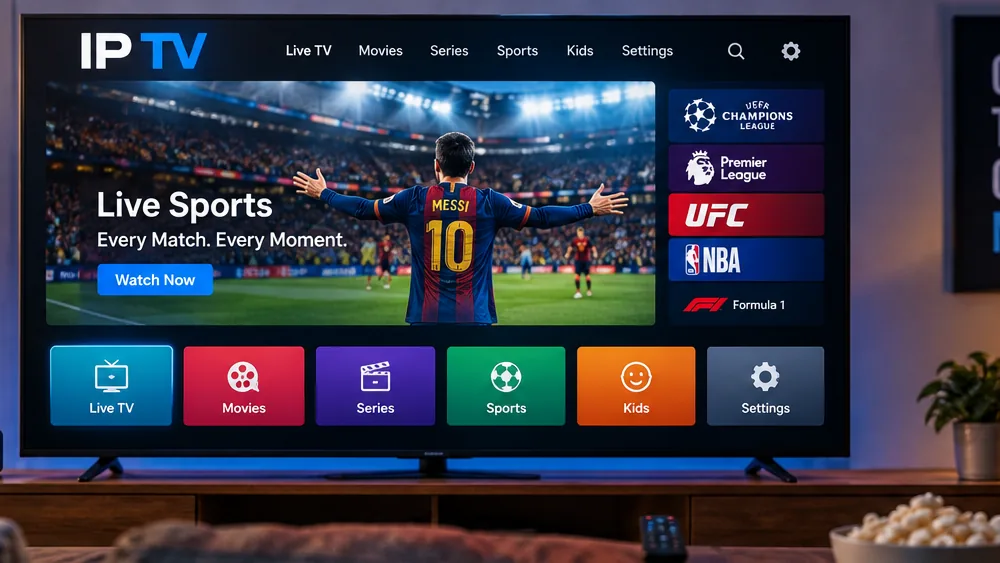
IP TV streaming on a modern Smart TV in a living room
Internet television delivers video through an internet connection to compatible TVs and streaming devices.

1. What Is IP TV?

IP TV means television content is delivered using internet protocol technology. Instead of receiving every channel through a satellite dish or cable connection, your device requests and receives video through a network connection.

This makes internet television more flexible than many older broadcasting systems because the service can potentially work on Smart TVs, streaming boxes, smartphones, tablets, and computers.

The technology itself is not limited to one company or one type of content. Different providers can use IPTV technology for live television, video-on-demand libraries, replay features, and other forms of digital entertainment.

IPTV Is a Technology, Not a Single Service

The term IPTV describes a method of delivering television through internet protocol. The channels, applications, subscription terms, quality, and content rights depend on the individual service.

If you want a broader introduction, our IPTV explained guide covers the technology and its main advantages in more detail.

2. How Does IP TV Work?

Traditional television systems usually broadcast channels through cable networks, satellite signals, or terrestrial transmitters. IP TV uses internet protocol to deliver video data to the device requesting it.

When you choose a live channel or video, the service sends the relevant stream through your network connection. A compatible application or player then decodes that stream and displays it on your screen.

The Basic Process

  • You connect a compatible device to the internet.
  • You open the provider’s supported application or player.
  • You select a live channel or on-demand program.
  • The video stream is delivered through the network.
  • Your device decodes the stream and displays it on screen.

Because the system depends on a network connection, broadband quality and home Wi-Fi performance can influence the viewing experience.

3. What Can You Watch With IP TV?

The exact content depends entirely on the service, but IP TV technology can support several different types of television and video.

Live Television

Live channels can include entertainment, news, sports, children’s programming, documentaries, and other scheduled television depending on the provider.

Video on Demand

Some services include libraries of movies, series, documentaries, or other programs that can be started whenever the viewer chooses.

Sports and Events

Internet television can also deliver live sporting events. Availability depends on broadcasting rights, the provider, and the viewer’s region.

Catch-Up and Replay

Some platforms include features that allow viewers to return to programs that aired earlier. Availability and retention periods vary by service.
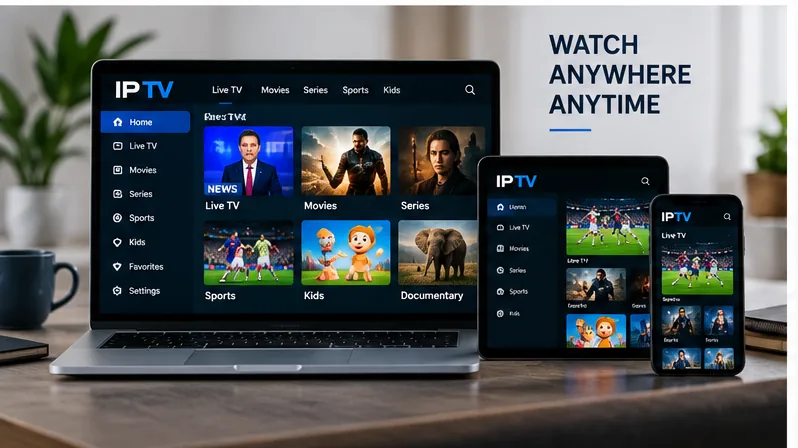
IP TV content streaming across television tablet and smartphone
Internet-based television can extend viewing beyond the main television to other compatible devices.

4. What Devices Support IP TV?

One of the main advantages of IP TV is device flexibility. Depending on the provider and application, the same type of television service can work across several platforms.

DeviceTypical SetupWhat to Check
Smart TVCompatible television appApp availability and TV operating system
Fire TVStreaming applicationPlayer compatibility and network quality
Android TVSupported IPTV playerApp source and device performance
Apple TVtvOS-compatible playerApp support and playlist compatibility
Phone or TabletMobile applicationOperating system support
ComputerWeb or desktop playerBrowser or software compatibility

The best device is usually the one that supports the application you need, performs smoothly, and has a stable connection to your router.

For television-specific setup guidance, see our guide to installing IPTV on a Smart TV.

5. What Do You Need for an IP TV Setup?

A basic IP TV setup does not need to be complicated. Most users need a reliable internet connection, compatible hardware, a suitable player, and access credentials from their television provider.

Reliable Internet

Video streaming continuously transfers data, so connection stability is important. Faster speeds can help with high-resolution streams and multiple simultaneous viewers, but a stable connection is just as important as headline speed.

A Compatible Player

An IPTV player is the application that displays the channels or content supplied by a compatible service. The player itself does not necessarily include a television subscription.

Your Provider Details

Depending on the service, access may be supplied through a username and password, a playlist URL, an M3U file, Xtream-style credentials, or another supported method.

Player and Subscription Are Different

Installing an IPTV player does not automatically provide channels. The player is the software interface, while access to television content comes from a separate compatible service or authorized provider.

6. How to Choose an IP TV Service

Choosing IP TV should involve more than comparing the number of advertised channels. Reliability, compatibility, support, content rights, and transparency matter more than a huge marketing number.

Check These Factors

  • Whether the service offers the content you actually watch.
  • Compatibility with your preferred television or streaming device.
  • Availability in your region.
  • Clear subscription and renewal terms.
  • Responsive customer support.
  • Streaming quality that matches your internet connection.
  • Any device or simultaneous-stream limits.

Our IPTV subscription guide covers additional points to check before choosing a plan.

For a technical definition of IPTV and how the technology differs from traditional broadcasting, TechTarget’s IPTV overview provides useful background information.

7. How to Improve IP TV Streaming Quality

A good IP TV experience depends on the complete chain between the stream and your television. A fast internet plan alone cannot fix weak Wi-Fi, overloaded hardware, or an unstable source.

Use Ethernet When Practical

A wired Ethernet connection can reduce interference and provide a more consistent connection to stationary streaming devices.

Improve Wi-Fi Coverage

If Ethernet is not practical, keep the router in an open location and avoid placing the streaming device where walls or furniture heavily weaken the signal.

Keep Your Device Updated

Operating system updates and current app versions can fix bugs and improve compatibility.

Avoid Network Congestion

Large downloads, cloud backups, gaming updates, and several simultaneous high-resolution streams can compete for bandwidth.
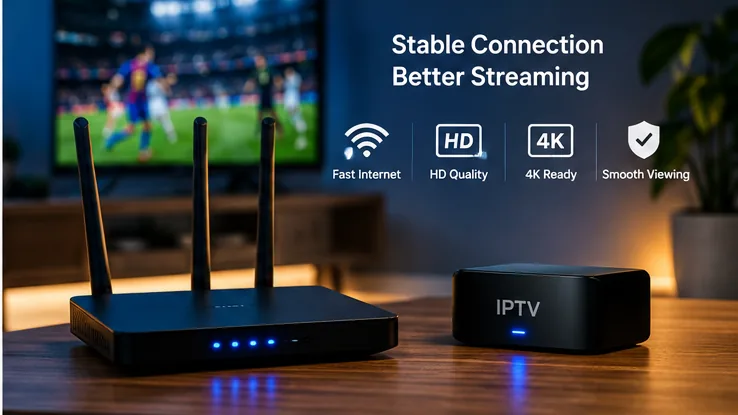
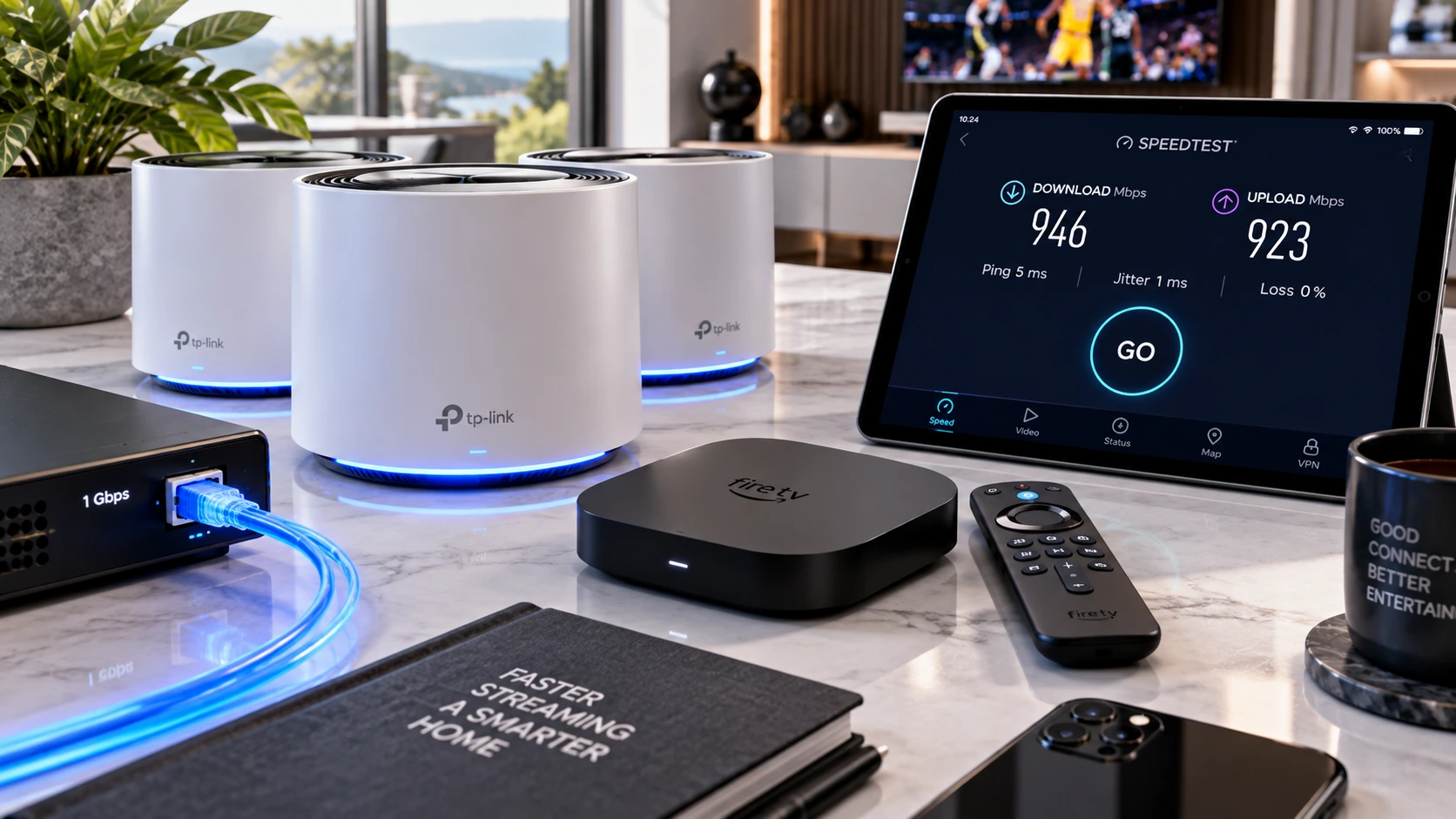
Home network setup for smooth IP TV streaming
A stable router connection and capable streaming hardware can improve internet television performance.

8. IP TV vs Traditional Television

Both systems ultimately put television on your screen, but they deliver it differently.

FeatureIP TVTraditional TV
DeliveryInternet protocol networkCable, satellite, or terrestrial signal
DevicesOften supports multiple device typesCommonly centered around television hardware
On-DemandCan be highly integratedDepends on provider and package
Internet RequiredYesNot always for traditional broadcasts
PortabilityPotentially flexibleUsually more location dependent

For households already using high-speed broadband and Smart TVs, internet television can offer a convenient way to combine live channels and on-demand viewing in the same digital environment.

9. Common IP TV Problems and Fixes

Buffering

Buffering can happen because of weak Wi-Fi, network congestion, device limitations, problems with the application, or issues further upstream.

Channels Loading Slowly

Try restarting the application and device, testing the internet connection, and checking whether other devices are heavily using the network.

App Crashes

Update the app, restart the device, and make sure enough storage and memory are available.

Poor Picture Quality

If IP TV quality repeatedly drops, check the Wi-Fi signal at the television itself rather than testing only beside your router.

Stream Freezing

Freezing can come from several points in the delivery chain. Our IPTV buffering fix guide covers additional troubleshooting steps.

Is IP TV Worth Using?

IP TV can make sense for viewers who value device flexibility, internet-based delivery, live television, and on-demand content.

It is especially convenient in homes that already rely heavily on Smart TVs and streaming devices rather than traditional television hardware.

However, the quality of the experience depends heavily on the provider, your internet connection, the player, and the device you use.

Rather than choosing a service because it promises a huge number of channels, focus on the content you actually watch, device compatibility, reliability, support, and clear subscription terms.

Frequently Asked Questions About IP TV

What does IP TV mean?

IP TV refers to television delivered through internet protocol technology. It is commonly written as IPTV, which stands for Internet Protocol Television.

How does IP TV work?

IP TV delivers television and video streams through an internet protocol network. A compatible application or player receives the stream and displays it on your television, phone, tablet, computer, or streaming device.

Do I need a Smart TV for IP TV?

No. IP TV can work on various compatible devices, including streaming boxes, phones, tablets, computers, and supported Smart TVs.

Does an IPTV player include channels?

Not necessarily. An IPTV player is usually software used to display content from a compatible service. Access to channels or video content normally comes from a separate provider.

Why does IP TV buffer?

Buffering can be caused by weak Wi-Fi, network congestion, internet instability, device limitations, application problems, or issues with the video source.

Can IP TV replace cable?

It can replace traditional cable for some households if the service provides the channels and features they need and their internet connection is reliable enough for regular streaming.

Why Viewers Choose SpaceOTT

🇺🇸 Michael R. | USA ★★★★★

A flexible internet television setup makes it easier to watch across compatible screens without relying entirely on traditional television hardware.

🇨🇦 Alex T. | Canada ★★★★★

Clear device guidance helps viewers understand how different players, televisions, and streaming hardware fit into the same setup.

🇬🇧 Daniel H. | United Kingdom ★★★★★

Internet-based television can provide a practical way to combine live viewing and on-demand entertainment on modern devices.

🇫🇷 Lucas M. | France ★★★★★

Simple setup information makes it easier to understand the relationship between the subscription, player, network, and viewing device.

🇦🇺 Ryan P. | Australia ★★★★★

Compatible streaming devices and a stable home network can make internet television more convenient for everyday viewing.

Final Verdict: Understanding IP TV

Internet Television Can Be Simple

IP TV is essentially television delivered through internet protocol rather than relying exclusively on older broadcast methods.

The technology can support live channels, sports, movies, series, and on-demand content across a wide range of compatible devices.

For the best experience, focus on a reliable internet connection, suitable hardware, a compatible player, and a service that provides the content you actually need.

Once those pieces are in place, IP TV can provide a flexible way to bring television and streaming together in one modern setup.
Live TV Subscription Services: 7 Best Streaming Options

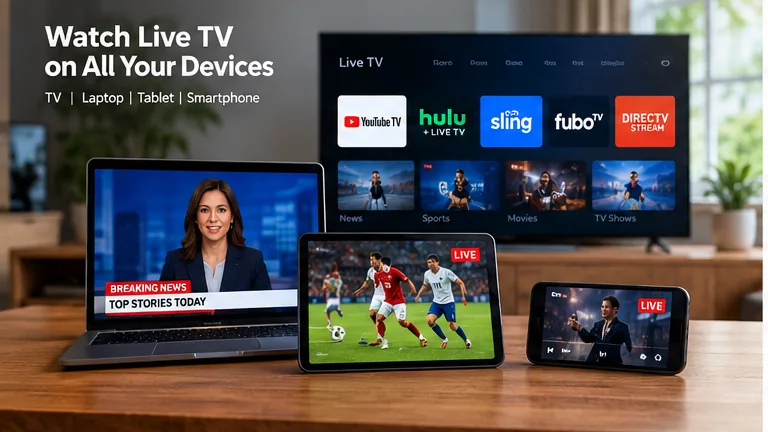
Live TV streaming services across TV, laptop, tablet, and smartphone

Live TV subscription services have changed the way people watch news, sports, entertainment, and local television. Instead of relying only on a cable box or satellite connection, viewers can now stream live channels through the internet on Smart TVs, phones, tablets, laptops, and streaming devices.

The challenge is no longer finding a streaming provider. It is choosing one that actually matches your household. Different live TV subscription services can vary considerably in channel lineups, local stations, sports coverage, DVR features, simultaneous streams, supported devices, and monthly cost.

This guide explains how these services work, what features deserve the most attention, and how to compare your options without paying for channels or extras you rarely use.

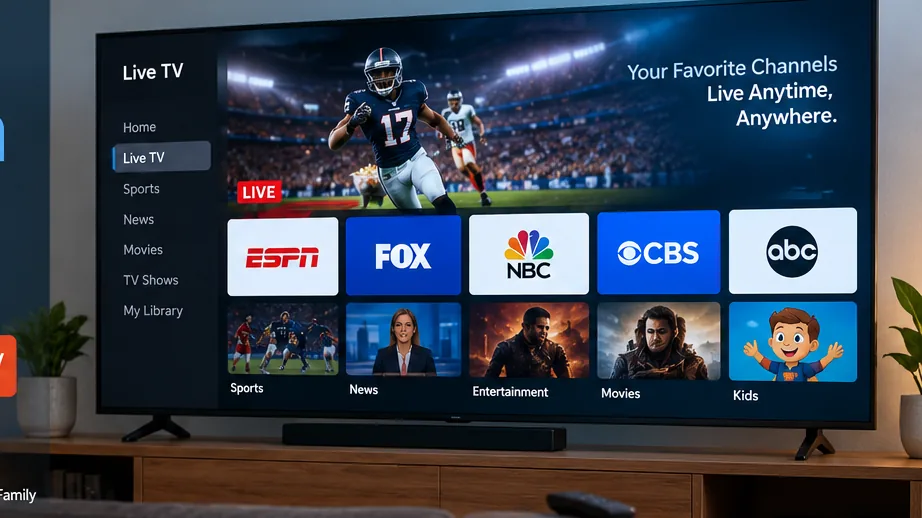
Live TV subscription services comparison on a modern Smart TV
Compare channel availability, devices, sports coverage, DVR features, and household needs before choosing a streaming plan.

1. What Are Live TV Subscription Services?

Live TV subscription services deliver scheduled television channels through an internet connection instead of using a traditional cable or satellite connection.

The viewing experience is still familiar. You can open an app, browse a program guide, choose a channel, watch breaking news, follow a live sports event, and often record programs with cloud DVR.

The biggest difference is how the signal reaches your television. Internet-based platforms can usually work across several compatible devices, making them more flexible for households that watch television in different rooms or while traveling.

Live TV and On-Demand Streaming Are Different

Services built mainly around movies and series let you choose content whenever you want. Live television platforms focus more heavily on scheduled channels, sports, news, events, and programming happening in real time.

If you want to compare individual platforms in more detail, see our best live TV streaming services guide.

2. How Live TV Subscription Services Work

The basic process is simple. Your provider delivers television through your broadband connection and an application displays those streams on your compatible device.

This makes your home internet connection an important part of the television experience. Even good live TV subscription services can struggle if the Wi-Fi signal reaching the television is weak or unstable.

What You Usually Need

  • A reliable broadband internet connection.
  • A compatible television, streaming device, phone, tablet, or computer.
  • An active subscription with the provider.
  • A supported application or viewing method.
  • Enough bandwidth for the number of people watching simultaneously.

The flexibility to move between devices is one of the biggest differences from a traditional set-top-box setup. Depending on the provider, you may be able to start watching in the living room and later continue on a phone, tablet, or another television.

3. Main Types of Live Television Services

Not every platform is designed for the same type of household. Understanding the main categories makes comparison easier.

Full Cable-Replacement Services

Some live TV subscription services are designed to reproduce much of the traditional pay-TV experience. They may combine local stations, national entertainment networks, news, sports channels, and DVR features inside one app.

These services can make sense for viewers who want to leave cable but still prefer a familiar channel guide and scheduled programming.

Smaller Channel Bundles

Other platforms offer narrower channel packages. These can be useful when you already know which networks matter and do not want to pay for a large bundle filled with channels you never open.

IPTV-Based Options

IPTV is another form of internet-delivered television. The player, subscription model, available content, and supported devices can differ from one service to another.

Our IPTV subscription guide explains the main factors worth checking before choosing this type of service.

Live TV streaming services across TV, laptop, tablet, and smartphone
Internet television can extend beyond the main TV to laptops, tablets, phones, and other compatible screens.

4. Compare Channel Lineups Carefully

The number of channels advertised by a provider can be misleading if most of them are not relevant to you.

When comparing live TV subscription services, write down the networks your household watches regularly before looking at package sizes.

Build a Must-Have Channel List

  • Write down the local stations you watch.
  • Add your preferred national news networks.
  • Include important entertainment channels.
  • Add children’s programming if needed.
  • List any sports networks that are essential.
  • Separate must-have channels from optional ones.

This gives you a simple checklist when comparing providers and helps prevent you from choosing a package only because its headline channel count looks impressive.

Check Local Availability

Local stations deserve special attention because availability can vary by market. Two customers using the same service in different cities may not receive exactly the same local lineup.

Always enter your ZIP code or location on the provider’s official channel lookup before subscribing.

5. Sports Can Change the Decision

Sports fans often need to compare plans more carefully because broadcast rights are spread across national networks, regional sports channels, local stations, league packages, and premium services.

Some live TV subscription services focus heavily on sports, but that does not automatically mean they carry every team or competition.

  • List the leagues you watch most often.
  • Check the networks carrying those events.
  • Look for regional sports coverage where necessary.
  • Check whether major events require an add-on.
  • Review regional restrictions and blackouts.

If sports and PPV events are an important part of your viewing, our live sports and PPV streaming guide covers more factors that can affect the experience.

6. Compare DVR and Simultaneous Streams

Once the channel lineup looks right, compare the features you will use every day.

Cloud DVR

Many live TV subscription services include cloud recording so you can save programs without buying a physical DVR box.

Check how much storage is included, whether recordings expire, how playback works, and whether DVR features change between subscription tiers.

Simultaneous Streams

This feature tells you how many people can watch at the same time.

A service may support dozens of device models but still restrict simultaneous playback. That can become frustrating when one person wants sports in the living room, another wants a movie upstairs, and someone else wants news on a tablet.

Think About People, Not Device Count

If your household owns seven screens but rarely has more than three people watching simultaneously, a three-stream plan may be enough. Compare real usage rather than the total number of devices you own.

7. Device Support Matters More Than It Seems

Before paying, confirm that the service supports the hardware already used in your home.

Most major live TV subscription services support several platforms, but a provider that works perfectly on one Smart TV brand may require a separate streaming device on another television.

DeviceWhat to CheckWhy It Matters
Smart TVNative applicationCan eliminate the need for extra hardware
Fire TVApp availabilityUseful when the TV lacks a native app
RokuPlatform supportNot every provider supports every ecosystem equally
Apple TVtvOS applicationImportant for Apple-focused homes
Phone or TabletMobile playbackUseful away from the main television
ComputerBrowser supportUseful for desktop and laptop viewing

Also check whether important features such as DVR, profiles, picture-in-picture, or casting behave differently depending on the device.

8. Calculate the Real Monthly Cost

A low starting price does not necessarily mean the final bill will stay low.

When comparing live TV subscription services, calculate the complete cost after adding the features and channels your household genuinely needs.

Consumer Reports compares mainstream live television streaming options and discusses differences involving channels, sports, local networks, and pricing. Their live TV streaming comparison can be useful as an independent reference.

Include These Costs

  • The normal base subscription.
  • Sports add-ons.
  • Premium movie networks.
  • Extra simultaneous streams.
  • Enhanced DVR features.
  • Any other streaming subscriptions you plan to keep.

This calculation can reveal that a package advertised as inexpensive becomes much less attractive once all required extras are included.

Family watching a live TV subscription service in a modern living room
The right subscription should work for the whole household without forcing you to pay for unnecessary features.

9. How to Choose the Best Live TV Subscription Services

The best live TV subscription services are not necessarily the ones with the most channels. They are the ones that match your actual viewing habits.

PriorityWhat to Compare
Local TelevisionLocal affiliate availability in your market
SportsNational networks, regional coverage, and add-ons
Family ViewingProfiles and simultaneous streams
RecordingDVR storage and retention rules
BudgetTotal price after necessary extras
Device FlexibilityTV, mobile, browser, and streaming-device support

If you are also considering IPTV-based alternatives, our best IPTV service guide explains another approach to internet television.

10. Common Mistakes When Comparing Live TV Subscription Services

Choosing Only by Price

The cheapest option may still be poor value if it is missing several channels you watch every week.

Ignoring Local Stations

Do not assume every national network includes your local affiliate. Check the exact lineup in your market.

Forgetting Sports Networks

A general entertainment package may look complete until you discover that the network carrying your favorite team is missing.

Adding Too Many Extras

One of the easiest ways for live TV subscription services to become expensive is stacking sports, premium networks, additional streams, and other add-ons.

Ignoring Internet Quality

Your streaming service is only as reliable as the connection reaching your device. A weak Wi-Fi signal can create buffering even when your broadband plan is fast.

Never Reviewing the Subscription

Your viewing habits can change. Check your package occasionally and remove features or services that no longer provide value.

Can Live TV Subscription Services Replace Cable?

For many households, live TV subscription services can replace most or all of the traditional cable experience.

They can provide live channels, local programming, sports, news, DVR features, and viewing across several device types without requiring a traditional cable box for every screen.

Cable can still make sense when a household prefers conventional hardware or needs specific local, regional, or bundled services that are difficult to reproduce through streaming.

The best decision comes from comparing the exact channels, features, equipment requirements, internet costs, and total monthly bill rather than choosing based on marketing alone.

Frequently Asked Questions About Live TV Subscription Services

What are live TV subscription services?

Live TV subscription services deliver scheduled television channels through an internet connection. Depending on the provider, they can include local stations, entertainment networks, sports, news, cloud DVR, and other television features.

Can live TV streaming replace cable?

Yes, for many households. Streaming services can provide local channels, cable networks, sports, news, and DVR features, but you should compare the exact lineup available in your location before canceling cable.

Which live TV subscription service is best?

The best option depends on the channels you need, your location, sports preferences, budget, DVR requirements, supported devices, and the number of people who watch at the same time.

Do live TV services include local channels?

Many services include local broadcast networks, but availability can vary by provider and market. Check the current channel lineup for your location before subscribing.

Do I need a Smart TV?

No. You can often use a compatible streaming stick, box, phone, tablet, computer, or another supported device even if your television does not have the service’s application built in.

How can I save money on live TV?

Choose a package around the channels you actually watch, avoid unnecessary add-ons, review subscriptions regularly, and compare the complete monthly price instead of focusing only on the advertised starting cost.

Why Viewers Choose SpaceOTT

🇺🇸 Ethan M. | USA ★★★★★

Flexible viewing across compatible devices makes internet television easier to fit around different rooms and everyday viewing habits.

🇨🇦 Ryan C. | Canada ★★★★★

A straightforward streaming setup is useful for households that want live television without depending entirely on traditional cable hardware.

🇬🇧 James T. | United Kingdom ★★★★★

Device flexibility makes it easier to move between the main television, streaming hardware, and other compatible screens.

🇪🇸 Daniel G. | Spain ★★★★★

Clear setup guidance helps viewers understand the different ways internet-based television can fit into a modern home.

🇦🇺 Liam W. | Australia ★★★★★

A well-planned subscription and compatible device setup can make everyday television viewing simpler and more flexible.

Final Verdict: Choosing the Right Live TV Service

Choose Around What You Actually Watch

Live TV subscription services can be a practical alternative to traditional cable, but choosing the right one requires more than comparing headline prices.

Start with your essential channels, local stations, sports, DVR needs, supported devices, and the number of people who normally watch at the same time.

Then calculate the complete monthly cost after adding the extras you actually need. This gives you a much more realistic comparison between providers.

The best service is ultimately the one that delivers the channels and features your household uses without forcing you to pay for a large amount of content you rarely watch.

IPTV Explained: 7 Proven Reasons to Switch to SpaceOTT TV

IPTV explained modern 4K home television streaming setup

If you want to understand how modern digital television operates and why millions of cord-cutters are leaving legacy cable companies behind, understanding IPTV (Internet Protocol Television) is the foundation of modern home entertainment. For decades, television was locked to physical coaxial cables, rooftop antennas, and satellite dishes that suffered from weather interference and rigid programming schedules.

Today, IPTV delivers television programming directly over high-speed internet protocols. Rather than receiving a continuous broadcast signal where every channel transmits at once, your television requests specific data packets on demand. When paired with an enterprise-grade service like SpaceOTT, this architecture unlocks over 20,000 live international channels, fluid 60FPS sports feeds, and an expansive on-demand cinema library containing 95,000+ movies for a fraction of legacy television prices.

Whether you plan to test the service by claiming an IPTV free trial, optimize playback using the TiviMate IPTV player, or discover the best IPTV for Firestick, modern protocol streaming provides unmatched flexibility. As highlighted in Digital Trends’ guide to IPTV technology, packet-switched video delivery represents the definitive standard for home broadcasting.

In this master guide, we break down exactly how IPTV works under the hood and explore 7 proven reasons why switching to SpaceOTT TV delivers the ultimate 4K viewing experience for your living room.

IPTV explained modern 4K home television streaming setup
Stream over 20,000 live global channels and 4K sports directly over high-speed internet protocols.

How IPTV Works: The Technical Architecture Explained

Traditional broadcasting relies on radio frequency signals sent through satellite transponders or copper cables. In that legacy model, every single channel is pushed down the wire simultaneously, requiring a bulky hardware decoder box to tune into a single frequency.

In contrast, IPTV utilizes packet-switched IP networking. When you select a channel on your screen, a temporary unicast connection is established with a host Content Delivery Network (CDN). The host server encodes the live video stream using advanced H.265 (HEVC) compression and transmits it in micro-segmented chunks (typically via HLS .m3u8 protocols) directly to your media player.

This on-demand data transmission architecture eliminates bandwidth waste, enables instantaneous channel switching, and allows service providers like SpaceOTT to broadcast pristine 4K video streams without physical distance limitations.

Reason 1: Saving $1,200+ Annually Over Legacy Cable & Satellite

The primary catalyst driving households toward IPTV is pure economics. Legacy cable packages routinely cost between $120 and $160 per month once hidden charges—such as broadcast TV surcharges, regional sports fees, and set-top box rental charges—are added to the bill.

Furthermore, commercial streaming apps have fragmented content to the point where subscribing individually to Netflix, Disney+, Max, and sports platforms costs over $90 monthly. A premium SpaceOTT IPTV subscription costs between $10 and $15 per month, consolidating all premium sports networks, live local channels, and cinema libraries into a single plan that saves average households over $1,200 every single year.

Reason 2: Fluid 60 FPS Live Sports & Included 4K PPV Events

Fast-paced athletic broadcasts look blurry and unnatural on conventional compressed cable streams running at 30 frames per second. SpaceOTT TV broadcasts high-priority live athletics at a fluid 50 FPS and 60 FPS in uncompressed 1080p and 4K Ultra HD resolution.

  • No Regional Blackouts: Bypass blackout limits on Premier League, NFL Sunday Ticket, NBA, and NHL fixtures by switching between home, away, and international broadcast feeds.
  • Included Pay-Per-View Events: Stream all major UFC fight cards, championship boxing, and WWE events completely free without paying $80 per single night ticket.
  • Dedicated Telemetry Feeds: Access specialized onboard cameras and pitlane commentary for Formula 1 and MotoGP races.
High-speed fiber optic router and media device optimizing IPTV playback
High-speed server routing and modern hardware decoders ensure buffer-free 4K sports streaming.

Reason 3: Enterprise Anti-Freeze 9.0 Multi-Server Architecture

The most common complaint regarding cheap reseller services is buffering during high-traffic championship games. SpaceOTT resolves this bottleneck through its proprietary Anti-Freeze 9.0 technology.

The Mechanics of Multi-Server Failover:

SpaceOTT operates parallel edge servers deployed across North America, Europe, and Asia. When viewer density spikes during high-profile sporting events, automated load balancers distribute connections dynamically across parallel 10 Gbps CDN nodes, ensuring 99.9% uptime without stream freezing.

Reason 4: Global Access to 20,000+ International Channels

Unlike traditional satellite subscriptions that restrict your channel guide based on geographic postal codes, an IPTV setup provides truly international television access:

  • North American Lineups: Complete local ABC, CBS, FOX, and NBC networks across all major US and Canadian metropolitan markets.
  • European & UK Broadcasts: Full coverage of Sky Sports, TNT Sports, BBC, ITV, Movistar, and Canal+.
  • Worldwide International Groups: Dedicated packages for Australia, Latin America, Europe, Asia, and the Middle East with comprehensive language audio tracks.

Reason 5: A Massive 95,000+ Movies & Series On-Demand Vault

Beyond live television broadcasting, SpaceOTT functions as an exhaustive on-demand cinema archive. Subscribers gain immediate access to over 95,000 movie titles and complete multi-season TV series.

The VOD catalog is updated daily with new 4K HDR theatrical releases, trending streaming originals, and classic film collections. Every title features built-in multi-language subtitle tracks and rapid buffer seeking for an effortless movie night experience.

Reason 6: Universal Multi-Device & Multi-Room Freedom

Legacy television providers charge recurring monthly hardware fees for every additional screen in your home. With SpaceOTT IPTV, you stream across any device using your existing hardware:

  • Streaming Hardware: Amazon Fire TV Stick (4K & Max), Apple TV 4K, Nvidia Shield Pro, and Google Chromecast.
  • Smart TV Operating Systems: Direct app store support on Samsung (Tizen), LG (webOS), and Sony/TCL (Android TV / Google TV).
  • Mobile & Desktop: Watch on the go using iPhone, iPad, Android mobile devices, Windows PC, or Mac laptops.
  • Simultaneous Multi-Room Plans: Flexible tiers supporting 1, 2, 3, or 4 simultaneous screens under one unified account.

Reason 7: Zero Contracts, Transparent Pricing & 24/7 Support

Traditional providers rely on auto-renewing long-term contracts and aggressive cancellation penalties to retain customers. SpaceOTT operates on a transparent, pay-as-you-go model:

  • Flexible Duration Options: Choose between 3-month, 6-month, 12-month, and 24-month subscription terms with zero hidden fees.
  • Instant Automated Activation: Receive your Xtream Codes API credentials and M3U playlist URLs via WhatsApp and email within 5 minutes.
  • 24/7 Dedicated Support: Real technical engineers are available around the clock via live WhatsApp support to assist with setup on any device.

Comprehensive Comparison: SpaceOTT IPTV vs. Cable vs. Fragmented Apps

Review the performance, content volume, and cost differences when switching to modern IPTV:

Feature & MetricSpaceOTT 4K IPTV ServiceTraditional Cable / SatelliteFragmented Streaming Apps
Monthly Cost$10 – $15 / month$120 – $160+ / month$80 – $110 / month
Live Channel Selection20,000+ Global Channels75 – 150 Channels50 – 100 Channels
Pay-Per-View (PPV) Events100% Free & Included$80 extra per eventRequires extra sports tier
On-Demand Cinema Library95,000+ Movies & SeriesExpensive Pay-Per-RentalSplit across 4+ separate apps
Video Framerate (Sports)Fluid 60 FPS in 4K UHDCompressed 30 FPS / 720pVariable 30–60 FPS
Contract CommitmentsZero (Pay-as-you-go)1 to 2 year binding contractMonthly (Price increases often)
Group of friends enjoying smooth live sports streaming on modern IPTV setup
Experience buffer-free live sports, cinema, and international entertainment from the comfort of home.

Frequently Asked Questions (FAQ)

What exactly is IPTV and how does it differ from traditional TV?

IPTV stands for Internet Protocol Television. Unlike traditional broadcasting that transmits channels through physical cables or satellite antennas, IPTV delivers digital video streams on demand over your standard high-speed broadband connection.

What internet speed is required to stream in 4K resolution?

For standard definition and Full HD channels, a download speed of 15 Mbps is sufficient. For uncompressed 4K Ultra HD and 60 FPS sports broadcasts, we recommend a stable connection of 30 to 50 Mbps with low ping.

Do I need a VPN when using SpaceOTT IPTV?

No VPN is required because SpaceOTT uses private encrypted stream routing. However, our service is 100% compatible with all major VPN providers if you prefer additional network privacy.

Can I watch on my Amazon Firestick and Smart TV simultaneously?

Yes. SpaceOTT offers multi-connection subscription packages supporting 2, 3, or 4 simultaneous streams, allowing family members to watch different channels in different rooms at the same time.

How long does activation take after ordering?

Activation is completely automated. Your Xtream Codes credentials, server portal URL, and M3U playlist link are generated instantly and delivered via WhatsApp and email within 5 to 10 minutes.

Verified Global Subscriber Feedback

James H. 🇬🇧 (London, UK) ⭐⭐⭐⭐⭐

“Cancelled my £115 Sky package and switched to SpaceOTT. I get every 3pm Premier League match in 60FPS without blackouts, and the EPG timeline on my Firestick is faster than my old satellite box.”

Marc V. 🇨🇦 (Montreal, Canada) ⭐⭐⭐⭐⭐

“The 95,000+ VOD movie section is updated daily with new 4K releases. Setup took less than 3 minutes on my Apple TV and the customer support on WhatsApp answered immediately.”

Liam P. 🇦🇺 (Sydney, Australia) ⭐⭐⭐⭐⭐

“Outstanding 4K picture quality for Formula 1 and rugby matches. The Anti-Freeze servers actually hold up during major events with zero stutter. Truly the best television upgrade I have made.”

Alejandro G. 🇲🇽 (Guadalajara, Mexico) ⭐⭐⭐⭐⭐

“Excelente servicio. Todos los partidos de fútbol internacional y canales de Estados Unidos en 4K fluido. La relación calidad-precio es insuperable comparado con el cable tradicional.”

David R. 🇺🇸 (Miami, FL) ⭐⭐⭐⭐⭐

“Running the 3-connection plan across my living room and bedrooms. NFL Sundays and live UFC pay-per-views stream in crisp 4K without a single freeze. Unbelievable value!”

Master Verdict: Make the Switch to Modern 4K Streaming

The Future of Television Entertainment

Transitioning to IPTV with an established, high-performance provider like SpaceOTT gives you complete freedom over your home entertainment. By eliminating expensive cable contracts and combining over 20,000 live channels, free 4K pay-per-views, and an enormous on-demand cinema archive, you enjoy a luxury viewing experience at a fraction of the cost.

Claim your plan today, connect your favorite streaming hardware, and experience limitless 4K live television without boundaries!

error: Content is protected !!